

“Should I use granite?” and “how much does granite cost per square metre?” are the two questions we hear most. To answer fairly, we need to look at both sides: granite has real strengths, but it also has limits worth knowing before you decide.
Where granite is strong
- Hard and durable. Granite is a crystalline igneous rock with a dense structure and high hardness, usually around 6 to 7 on the Mohs scale. The surface resists abrasion and is not easily scratched in daily use.
- Better heat tolerance than many materials. A granite worktop handles the normal heat of cooking. Even so, avoid repeatedly placing a pot straight from a strong flame onto the stone, because sudden thermal shock can still cause damage.
- Many colours and patterns. Each stone has its own tone, so you can find a shade that suits each space.
- Easy to clean. For stones with low water absorption, daily cleaning is straightforward, and polished stone often looks brighter the more it is cared for.
- Repairable. Small chips can be treated with a specialist adhesive and re-polished, although the result depends on workmanship and the type of stone.
Limits to know about
- Natural stone has some porosity. Worktops, dining tables and areas exposed to oil or coloured liquids should be treated and wiped clean promptly.
- Slabs are heavy and need a flat base and correct support.
- Colour and pattern change from slab to slab, so check the actual batch that will be installed.
Where granite is used
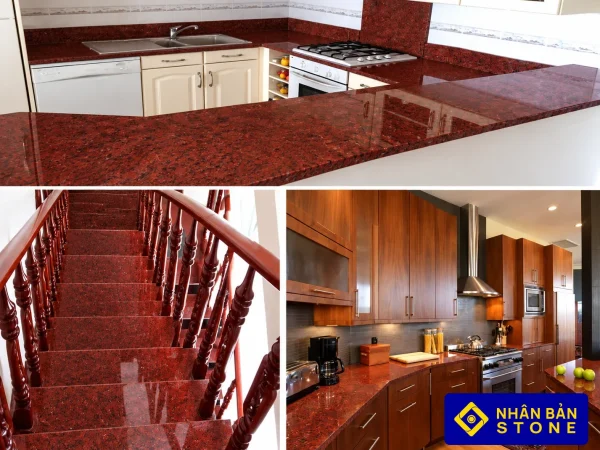
Granite has long been used indoors and outdoors: stair cladding, floors, pavements, facades, kitchen worktops, dining tables, bathroom cladding, garden furniture and memorials. Stairs are the most common application because they need a durable surface that is easy to keep clean.
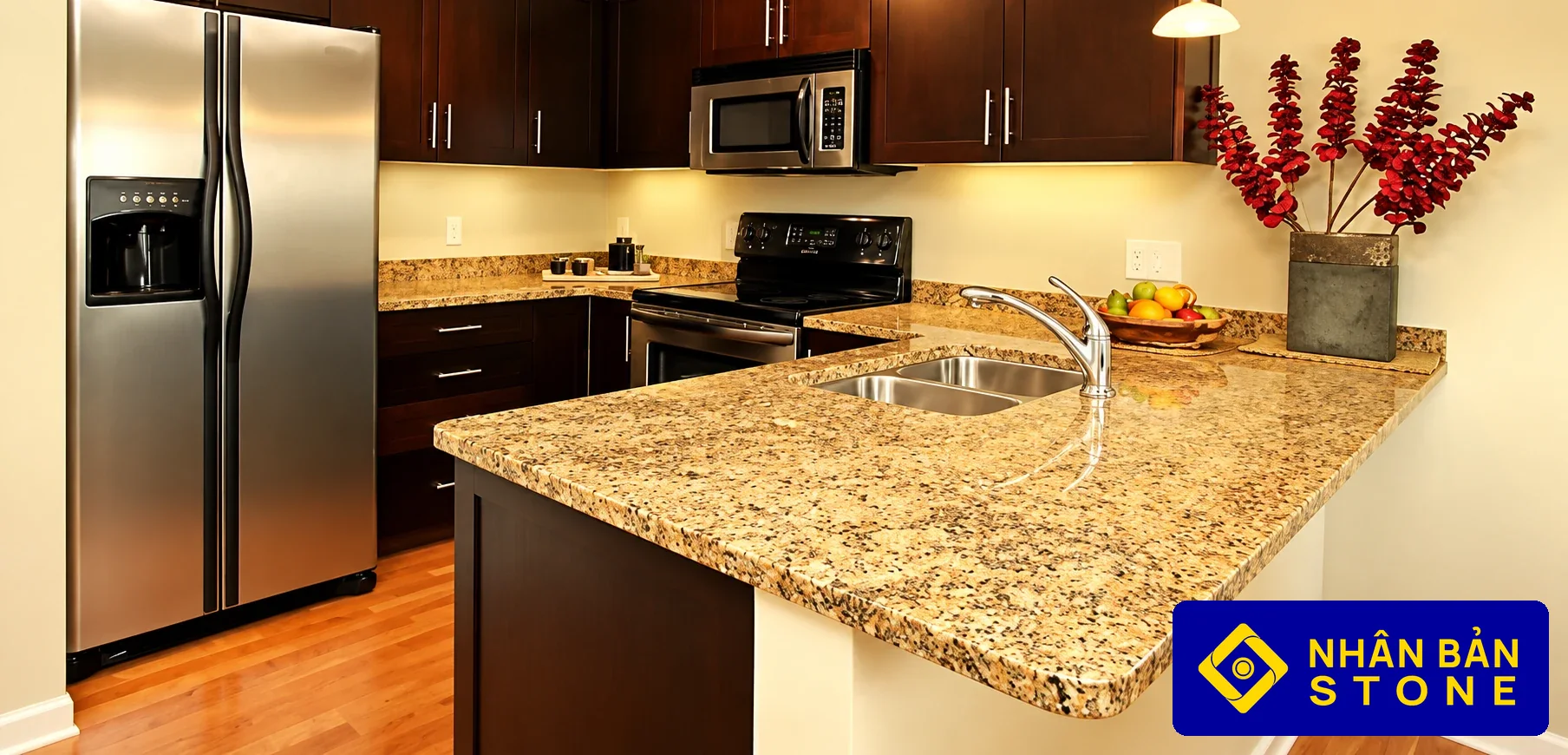
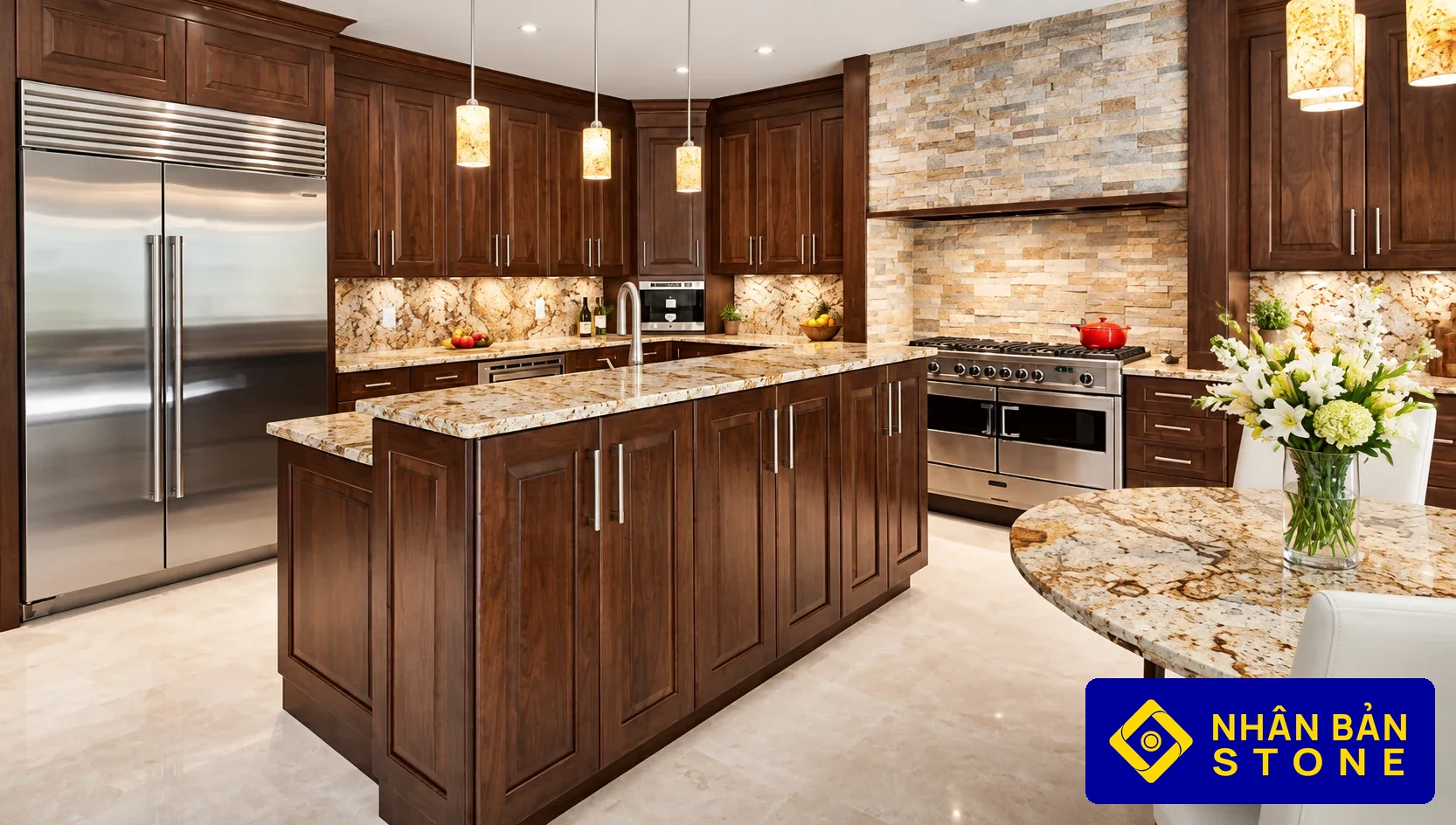
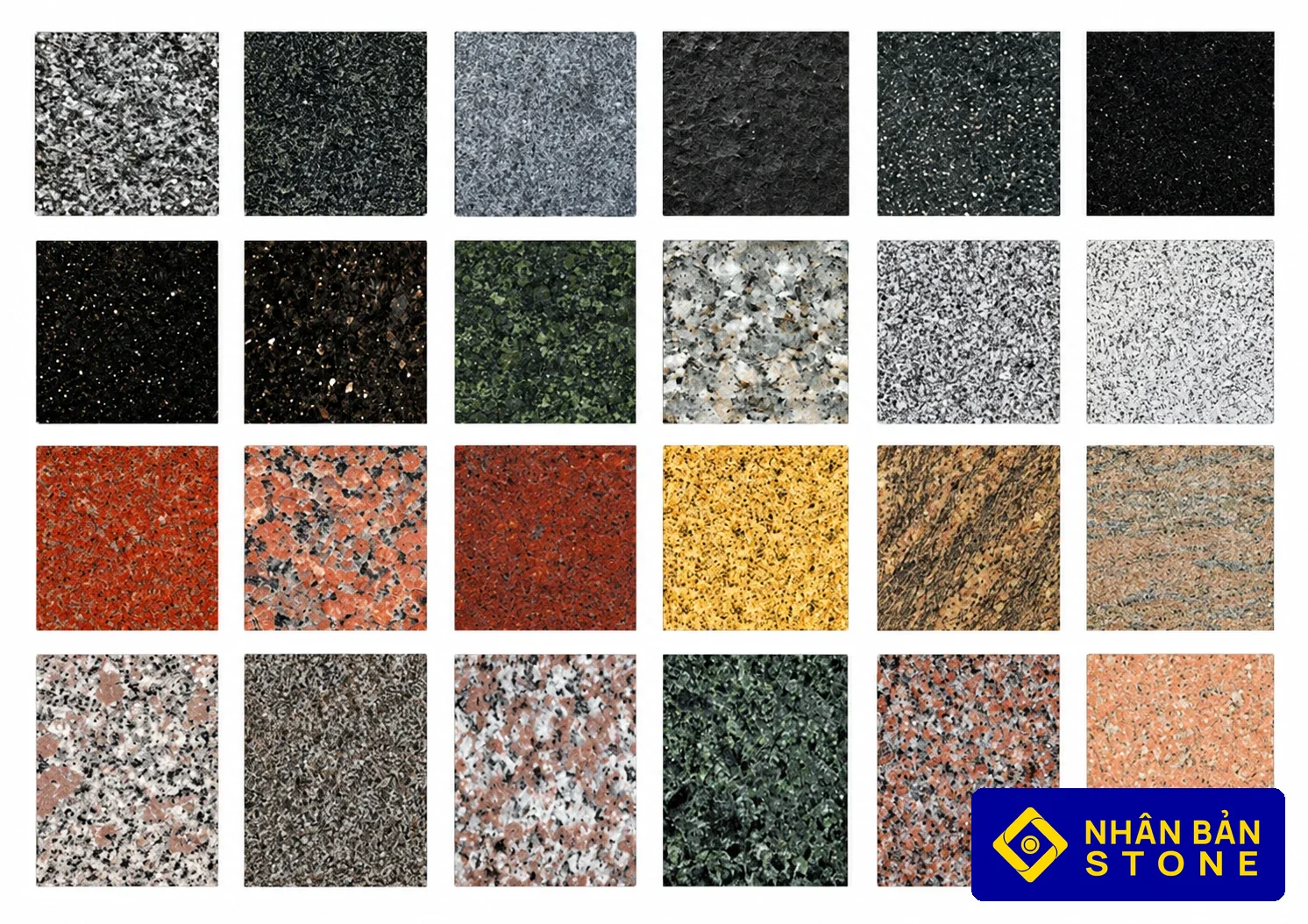
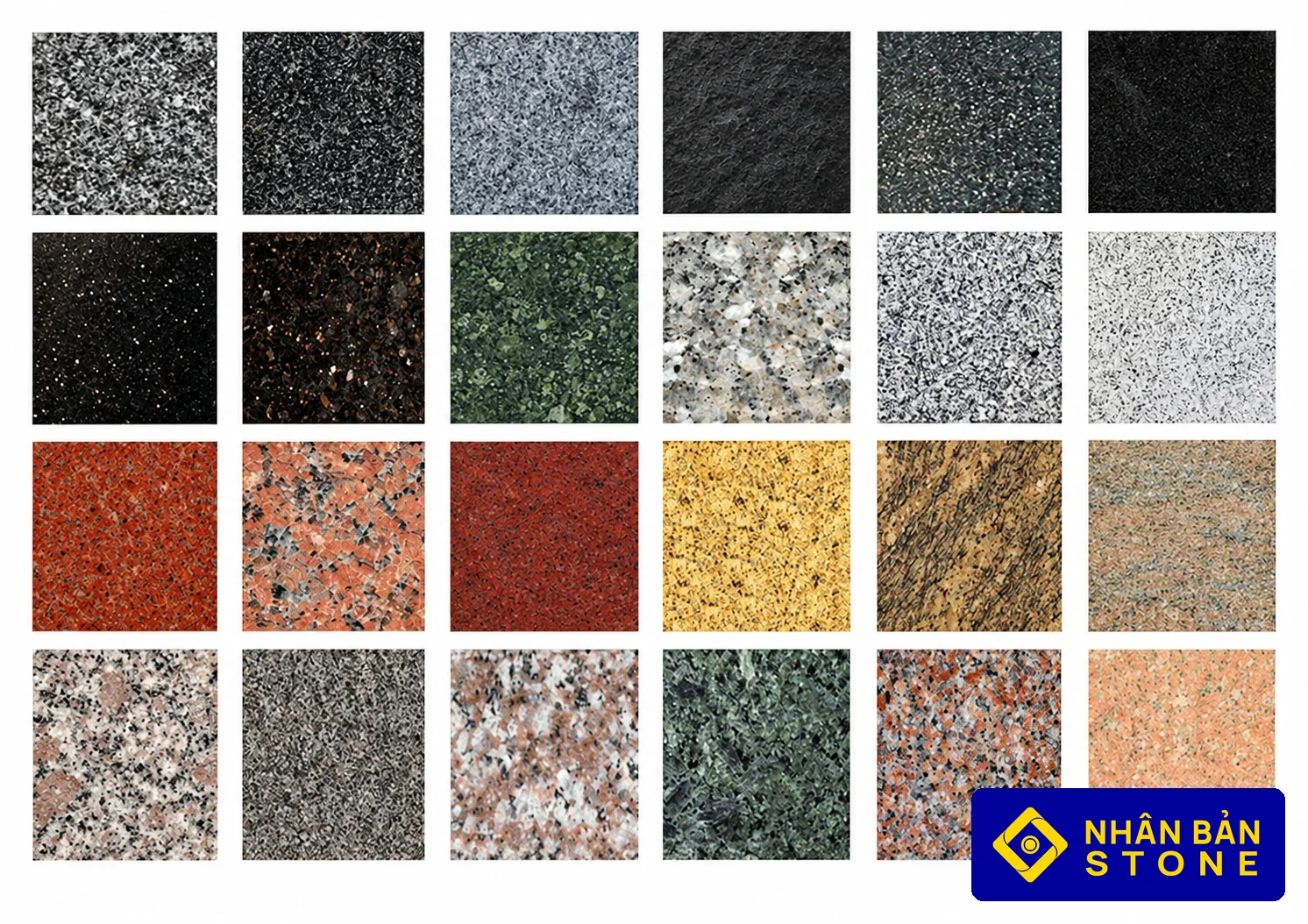
The variety of colours and patterns also helps architects combine natural and engineered stone in the same project while keeping the result harmonious. You can also refer to our guide on “Natural Granite Patterns: How to Choose for Each Application” to compare technical suitability for your installation.
Is granite expensive?
It depends on what you compare it with. Next to common finishing materials, granite usually costs more at the start, but many owners weigh its long service life and the fact that it rarely needs replacing.

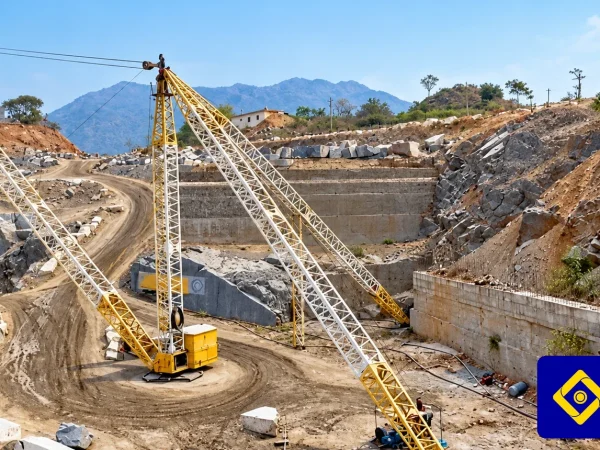
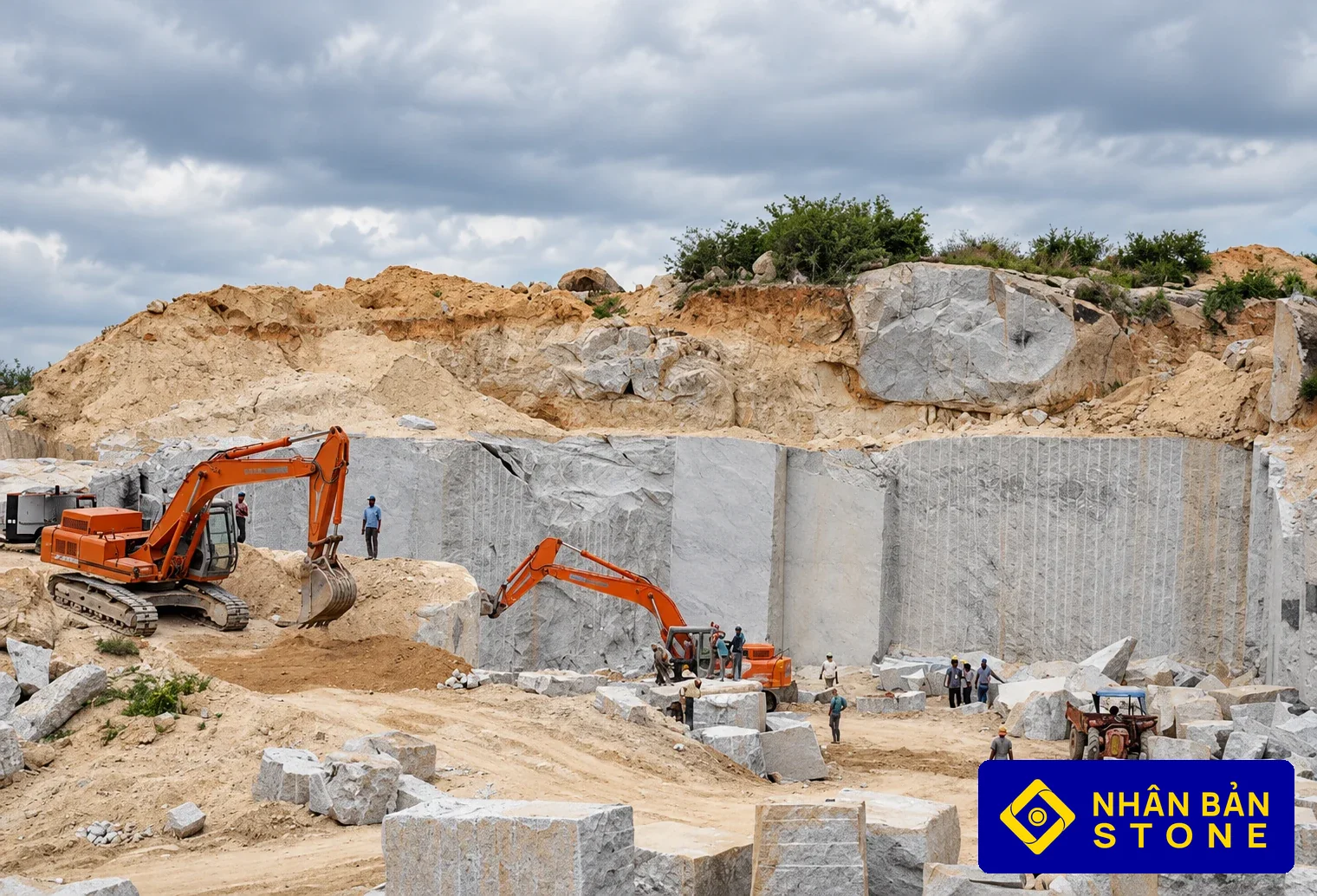
Price is not set by the stone name alone. The main factors are: You can also refer to our guide on “Dimension-Stone Quarrying in India: Main Process Stages” to compare technical suitability for your installation.
- Type and origin. Imported or rare stones often cost differently from common domestic ones.
- Thickness and size. Thicker, larger slabs use more material and cost more to transport.
- Level of fabrication. Edge profiling, sink cut-outs, patterned cutting and book-matching all add labour.
- Surface finish. Polished, honed, flamed and leathered surfaces follow different processes.
- Transport and installation. These depend on distance, site location and how difficult the site is.
A price per square metre quoted without seeing drawings rarely reflects the final cost. The best approach is to send drawings or dimensions and site photographs so the quotation matches the actual scope.
Popular granites
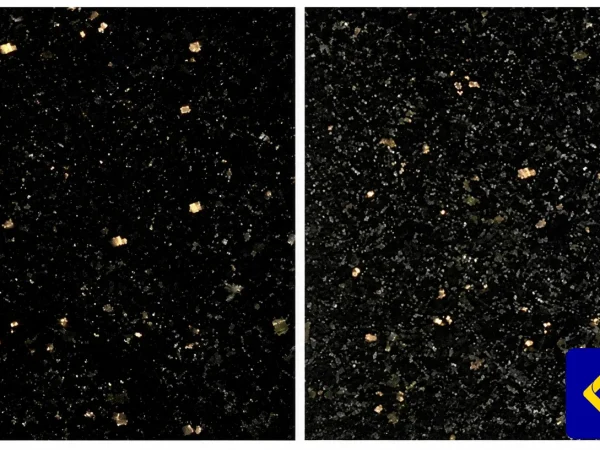
Black Galaxy, green-toned Black Galaxy, Cambodian Black, Suoi Lau White and Indian Red are among the most requested. Each has its own character and price range, and you can read the detailed articles on our website. You can also consult our technical reference on “Comparing Granite, Marble, Quartzite and Engineered Quartz” for comprehensive engineering specifications.
Price: Contact us