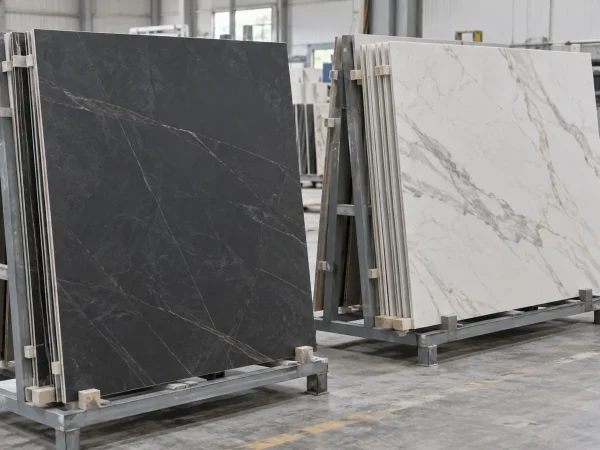


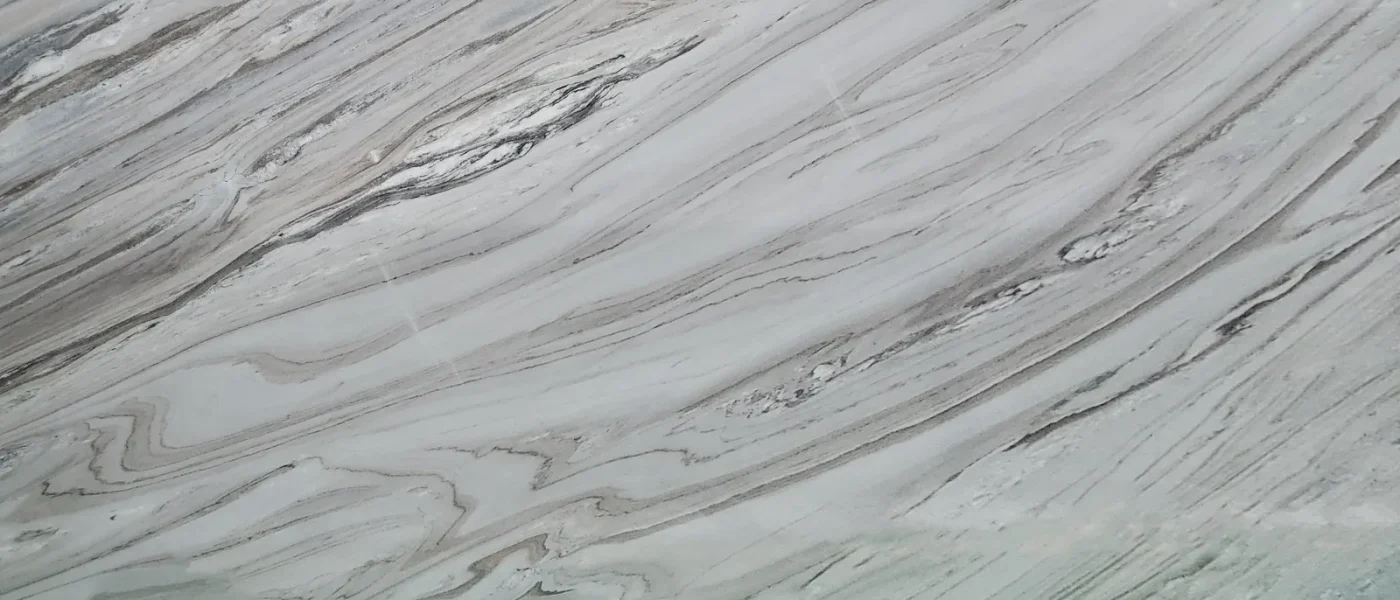
Start with service conditions, not the stone name
Selecting natural stone effectively begins with where the surface will be used, what it may contact, and how it will be maintained. A trade name or rendered image is not enough to establish suitability for a kitchen worktop, floor, vanity, wall, or exterior application.
One stone family can include materials with different structures, finishes, and test data. An initial shortlist therefore needs to be checked against a physical sample, full-slab images, documentation for the actual material, and the design requirements of the specific location.
A five-step selection process
- Describe the location: interior or exterior, horizontal or vertical, dry or frequently wet, frequency of use, and likely contact substances.
- Set the criteria: visual priority, acceptable variation, finish, cleaning requirements, and realistic maintenance capacity.
- Create a shortlist: compare several candidates instead of approving immediately from a photograph or trade name.
- Review evidence: inspect samples or slabs, relevant material data, and care guidance; obtain design confirmation for structure or fixing systems.
- Record the approval range: material code, finish, approved slab or color/vein range, excluded zones, and conditions of use.
This process is not a fixed formula. It separates decisions based on observation from those that need data and those that remain the designer’s responsibility.
Questions by application
| Application | Describe | Confirm before approval |
|---|---|---|
| Kitchen/vanity | Heat, food, water, cleaners, cutouts, and exposed edges | Material data, finish, care guidance, equipment, and support construction |
| Interior floor | Frequency of use, tracked grit, water, cleaning, and surface feel | Finish, sample, substrate/joints, and suitability criteria set by the designer |
| Wall/feature panel | Panel size, weight, viewing distance, lighting, and vein composition | Substrate/frame, fixing system, joints, and slab layout confirmed by the responsible party |
| Exterior | Climate, weather exposure, drainage, height, and access conditions | Material data, finish, fixing system, and detailing designed for the actual location |
This matrix is a set of questions, not a declaration that one stone is automatically suitable. Exterior, wet-floor, and suspended applications in particular require project design and evidence for the specific material.
Evidence to review
- A physical sample and full-slab images showing background color, veining, variation, and finish.
- The material code, supplier identity, and technical documents relevant to the application.
- Care instructions and contact limitations from an appropriate source.
- Drawings showing dimensions, nominal thickness, edges, joints, and vein direction.
- Designer confirmation for substrate, support, loads, fixings, drainage, or clearances where relevant.
The Natural Stone Institute Stone Selection library is a useful reference for issues to consider. General publications do not replace a report for the actual material or the project design.
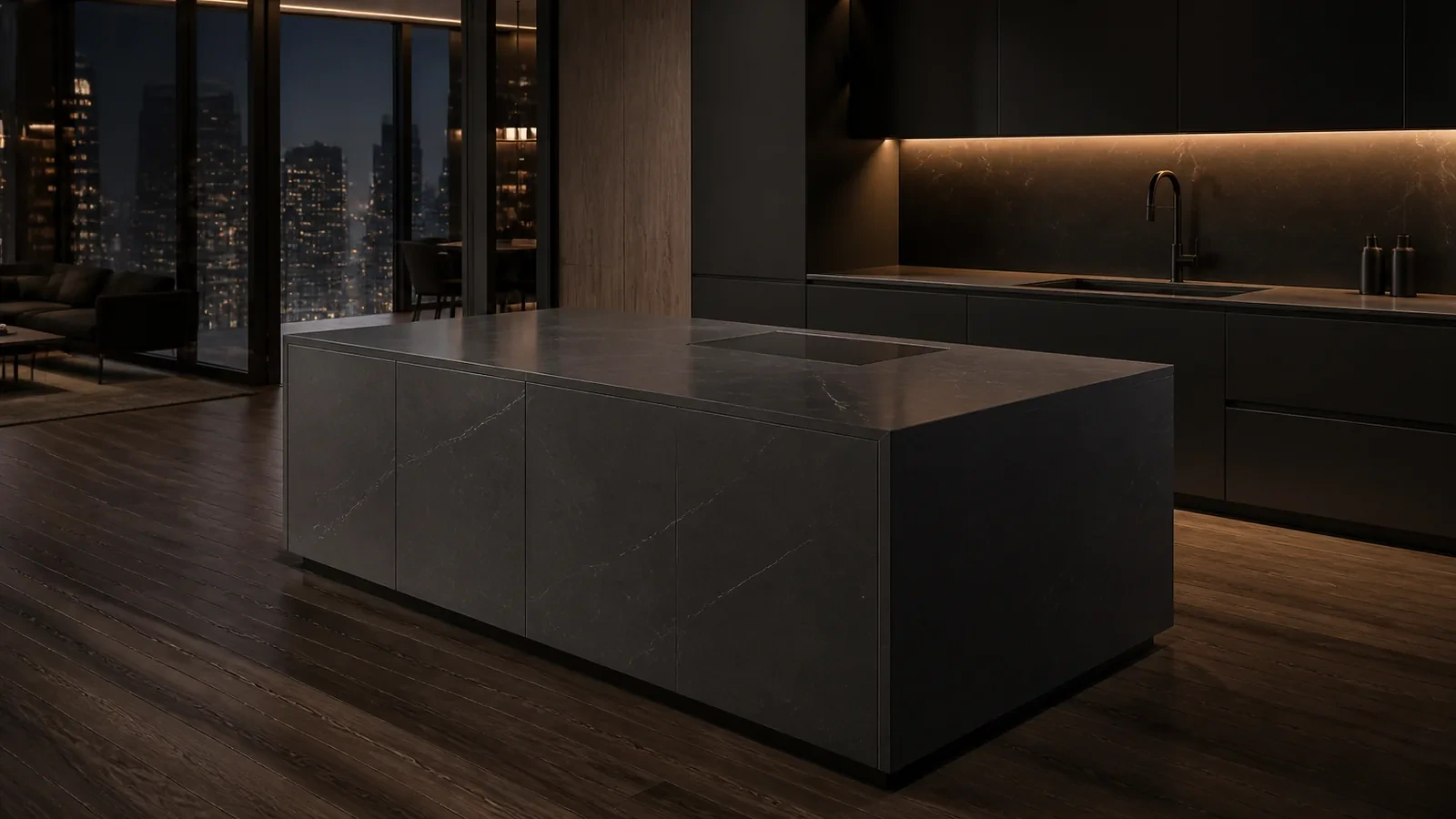
Reference images


Pre-approval checklist
- Are the location, exposure, and maintenance routine clearly described?
- Has a physical sample or full-slab image been reviewed instead of relying only on a rendering?
- Are the material code, finish, and acceptable color or vein range recorded?
- Do important performance claims have documentation for the actual material?
- Have structure, substrate, fixings, and drainage been confirmed by the responsible party?
- Are approval images, drawing revision, and confirmation date retained?
If an answer is missing, keep the material on the shortlist rather than treating it as approved.
Prepare a material enquiry
To help NHAN BAN STONE compare samples and define the workshop-fabrication scope, provide the application, current drawings, reference images, preferred finish, color or vein criteria, and maintenance requirements. Site survey, measurement, structural work, construction, and installation remain with the relevant project parties.