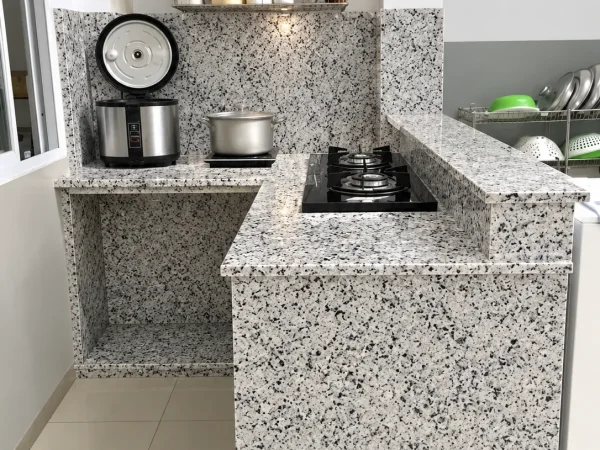


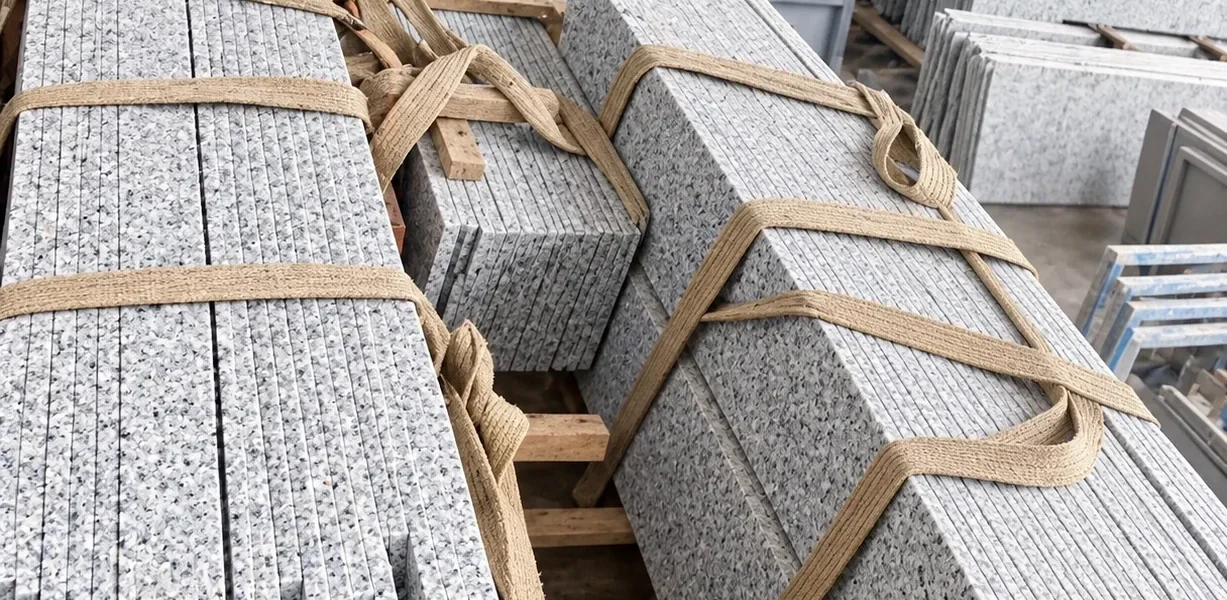
When considering Suoi Lau white granite technical guide, compare the actual surface, intended application, and installation requirements instead of relying on the trade name alone. This guide focuses on checks that can be completed before material approval.
Natural stone varies from slab to slab and batch to batch. Water absorption, strength, thickness, and load capacity should only be quoted from documentation for the specified product, alongside the approved sample and project drawings.
1. Actual Geological Origin: Khanh Hoa Province
While commonly misattributed to Binh Dinh quarries, genuine Suoi Lau White Granite is extracted from ancient granitic plutons in Dien Khanh District and Cam Ranh City, Khanh Hoa Province. Geologically, these deposits belong to medium-to-coarse crystalline igneous complexes formed millions of years ago. You can also refer to our guide on “Suoi Lau White Granite: Advantages, Standard Slab Widths and Project Optimization” to compare technical suitability for your installation.
Petrologically, the stone exhibits an intimate intergrowth of three foundational rock-forming minerals:
2. Distinguishing Green-Fleck and Violet-Fleck Suoi Lau White Granite
Within Khanh Hoa quarry benches, mineral hues vary naturally across extraction strata: You can also refer to our guide on “Suoi Lau White Granite: Applications for Floors and Cladding” to compare technical suitability for your installation.
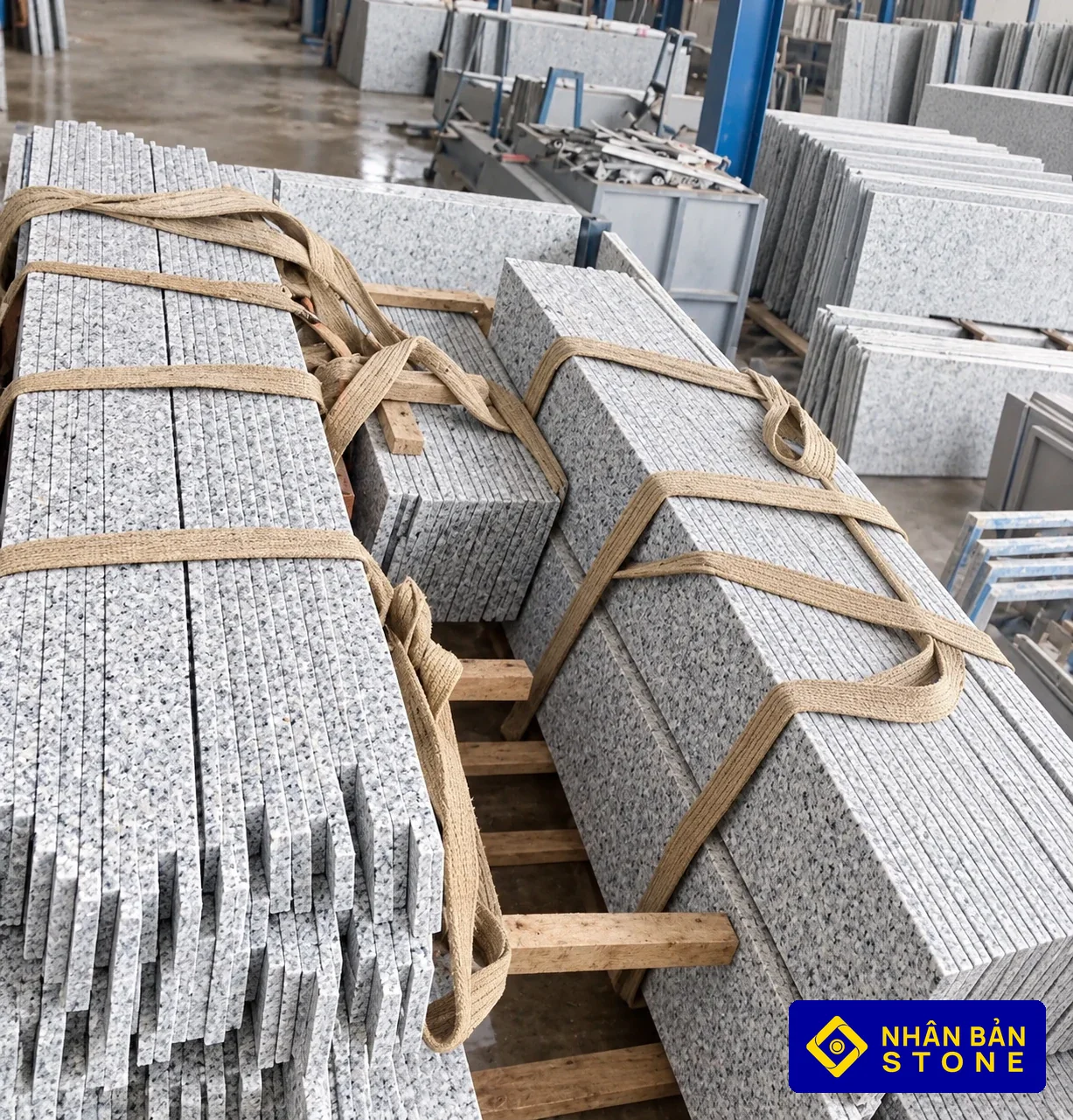
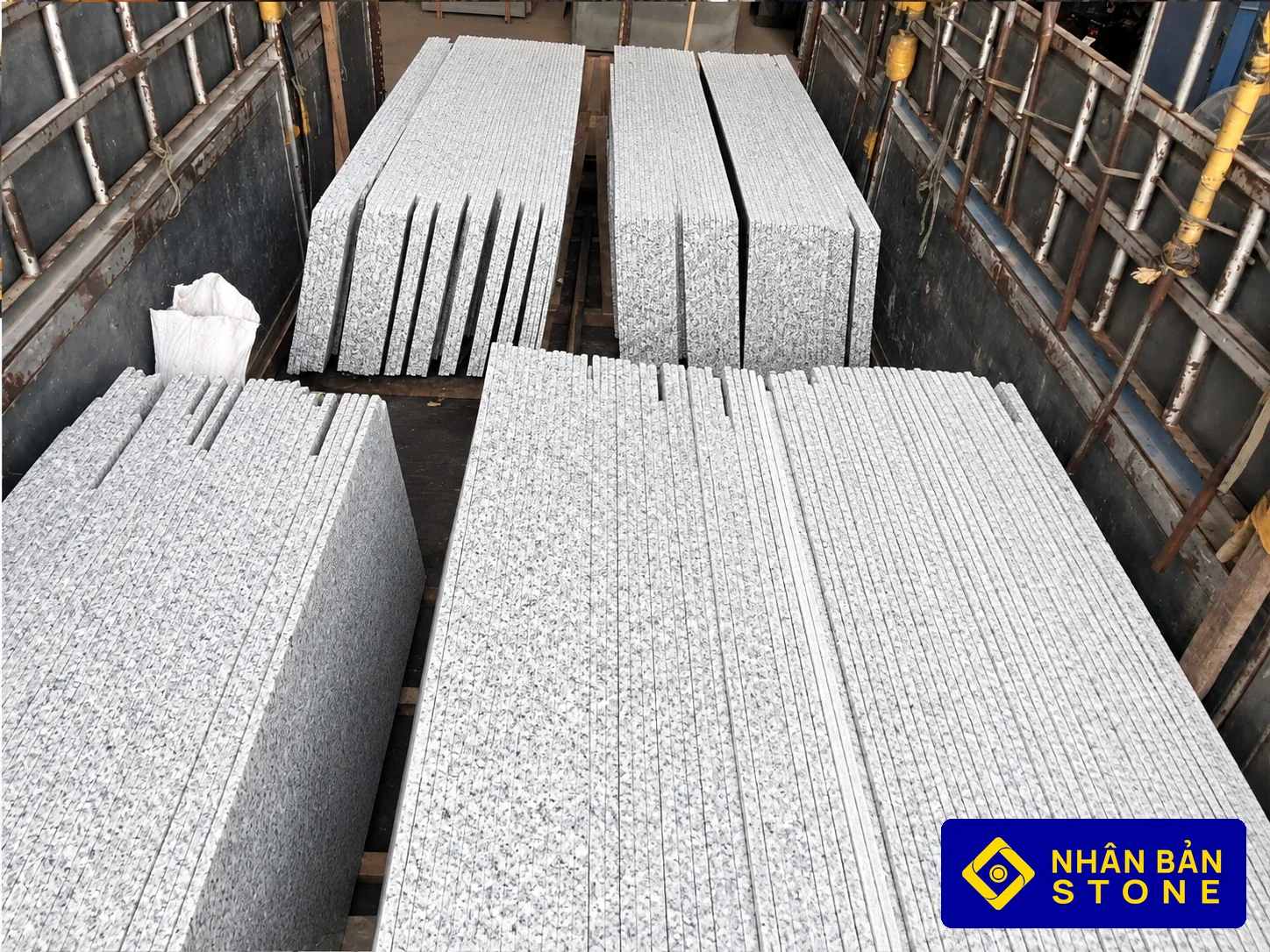
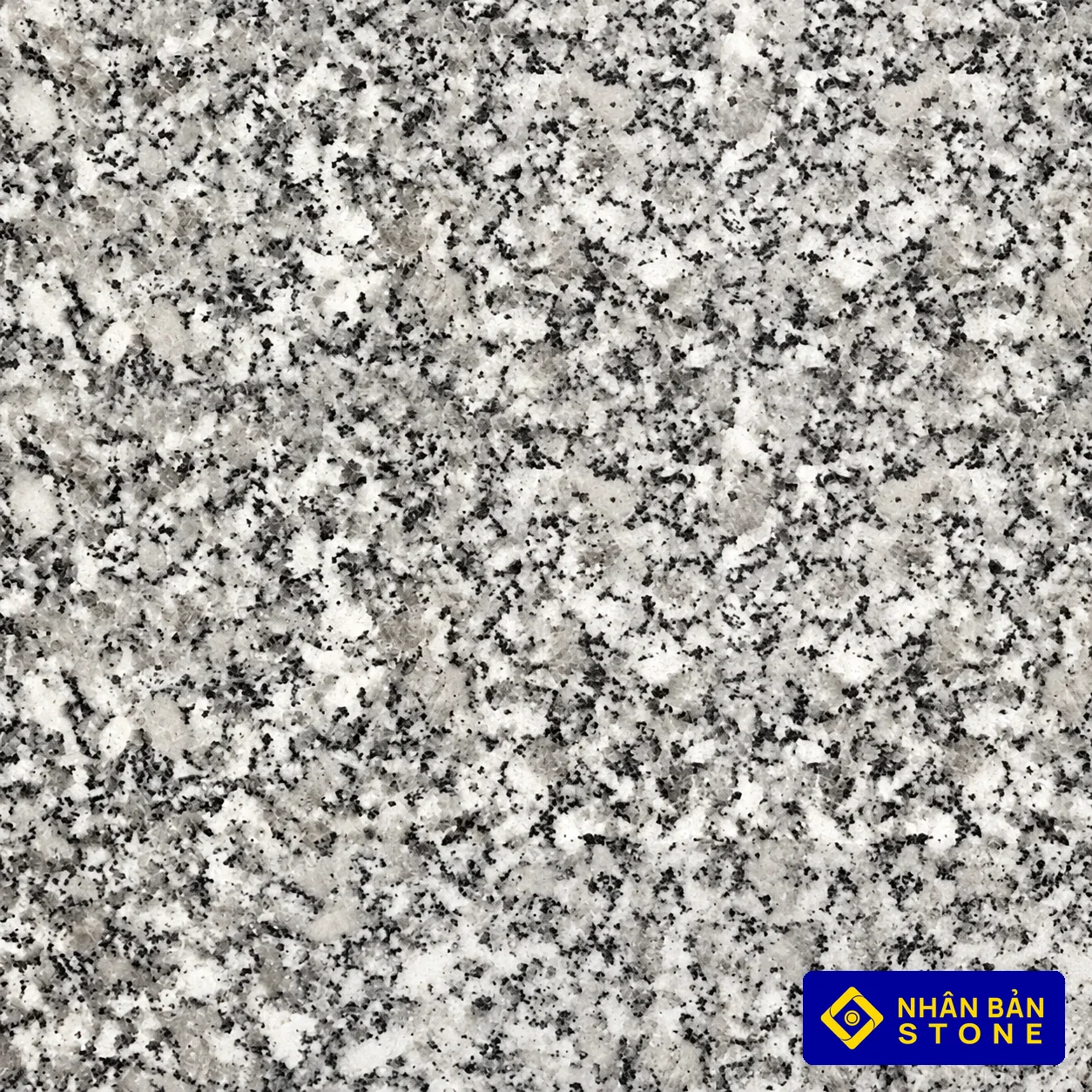
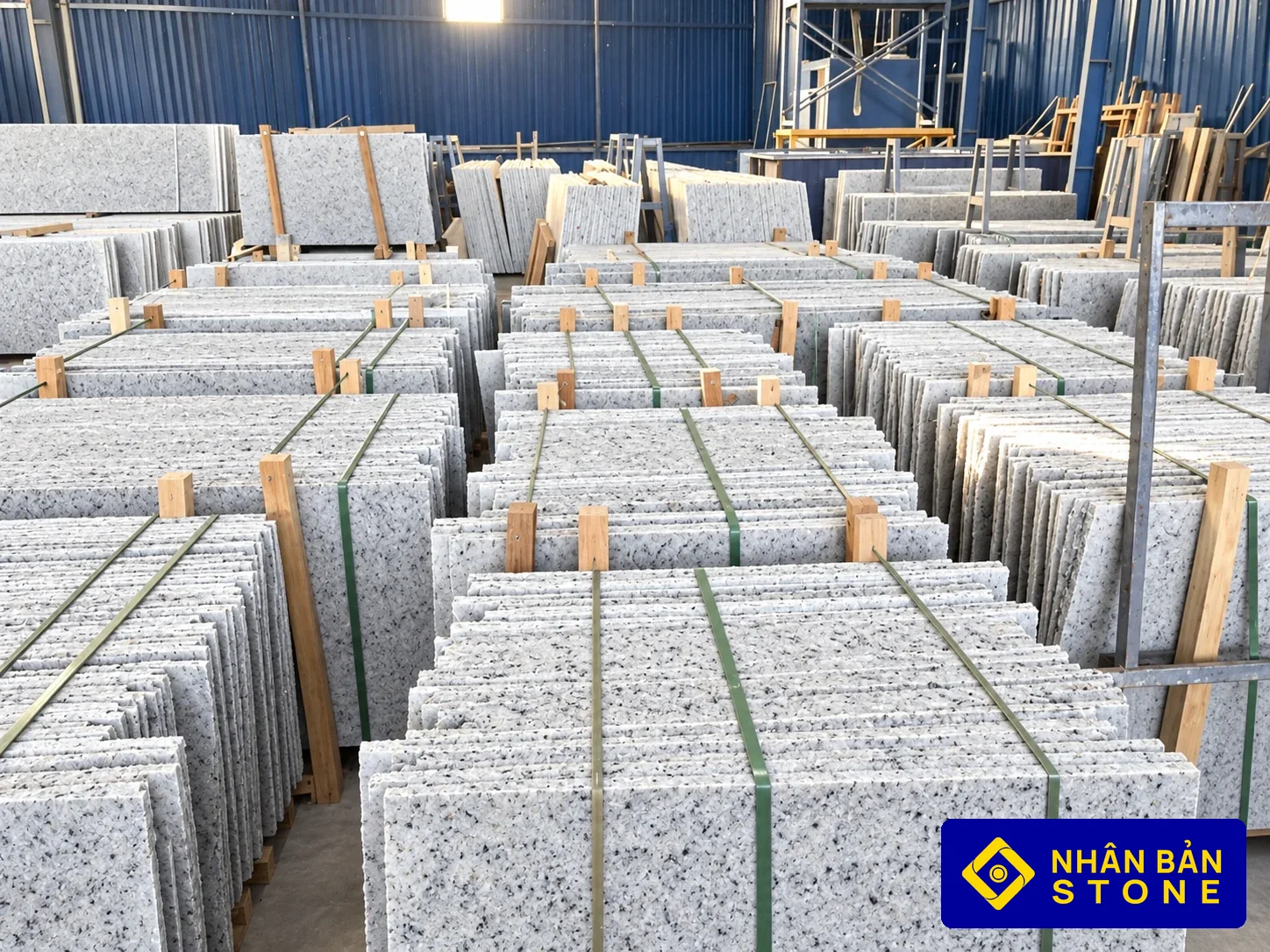
- Violet / Dark-Fleck Grade: Displays a darker grey-toned matrix with denser biotite clustering and subtle lilac undertones, priced economically for utility stairwells and thresholds.
3. Preventing Iron-Stain Yellowing from Ground Moisture on Ground Floors
- Apply a waterproof polymer-modified cementitious barrier coating across the bottom face of all floor tiles prior to installation.
- Install continuous damp-proof polyethylene membranes beneath sub-base screeds.
- Set tiles utilizing white polymer-modified stone adhesives in place of conventional dark Portland cement mortars to maintain luminous mineral clarity.
4. Specialized Surface Finishes for Suoi Lau White Granite
A premier engineering asset of Khanh Hoa Suoi Lau White Granite is its structural adaptability to diverse modern surface-texturing treatments:
- Diamond Polished Finish: Achieving optical gloss exceeding 85 GU, highlighting clean white-grey feldspar matrices for interior stair treads, kitchen counters, and elevator foyer cladding.
- Thermal Flamed Finish: High-temperature torch spalling shatters microscopic surface quartz, producing an intensely textured anti-slip surface engineered for exterior parking ramps, public plazas, and wet walkways.
- Mechanical Bush-Hammered Finish: Pneumatic multi-point hammer impacts create uniformly stippled indentations, imparting rustic antiquity to urban curb stones, landscape risers, and temple courtyards.
5. Commercial Project Specification Recommendations
When specifying Suoi Lau White Granite for commercial developments, architects should clearly define finish requirements per zone—honed or polished for interior corridors and flamed for external terraces. Pre-treating tiles with penetrating anti-stain sealers before mortar installation supports long-term clarity and protects the investment against efflorescence. You can also consult our technical reference on “Natural Stone Surface Finishes: Technical Guide” for comprehensive engineering specifications.
Approving the Material for Its Application
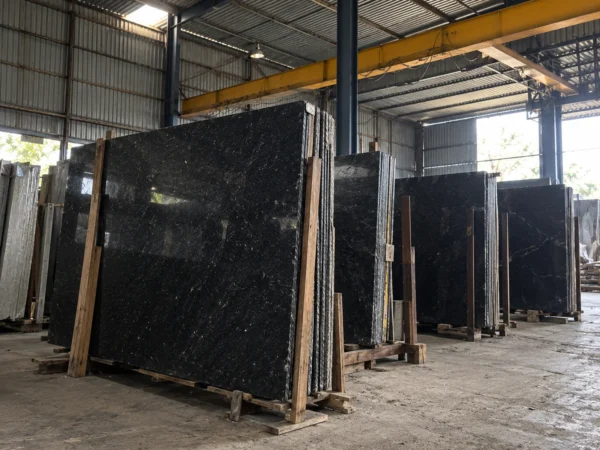
A trade name identifies a material family but does not replace slab review. Inspect the actual stone under lighting close to the intended space, compare lighter and darker areas, and agree on an acceptable range of colour and vein variation.
Polished, honed, flamed, and textured finishes differ in appearance and maintenance. Select the finish for the indoor or outdoor location, expected moisture, foot traffic, and cleaning requirements rather than assuming one finish suits every use.
Before cutting, verify field dimensions, vein direction, joint locations, openings, and the supporting structure. These details affect layout and breakage risk; a trade name or promotional image cannot replace coordinated drawings.
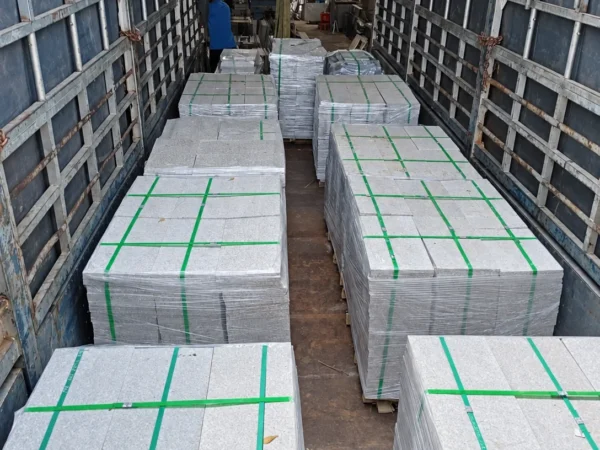
At delivery, check batch references, quantity, ordered thickness, edges, and surface condition. Use technical values only from the test report for the specified product or batch.
For routine care, use a soft cloth, clean water, and a pH-neutral cleaner. Blot oils, coffee, and coloured spills early, and use trivets in heated areas. Sealing intervals should follow the stone, exposure, and product guidance rather than a universal schedule.
Price: Contact us