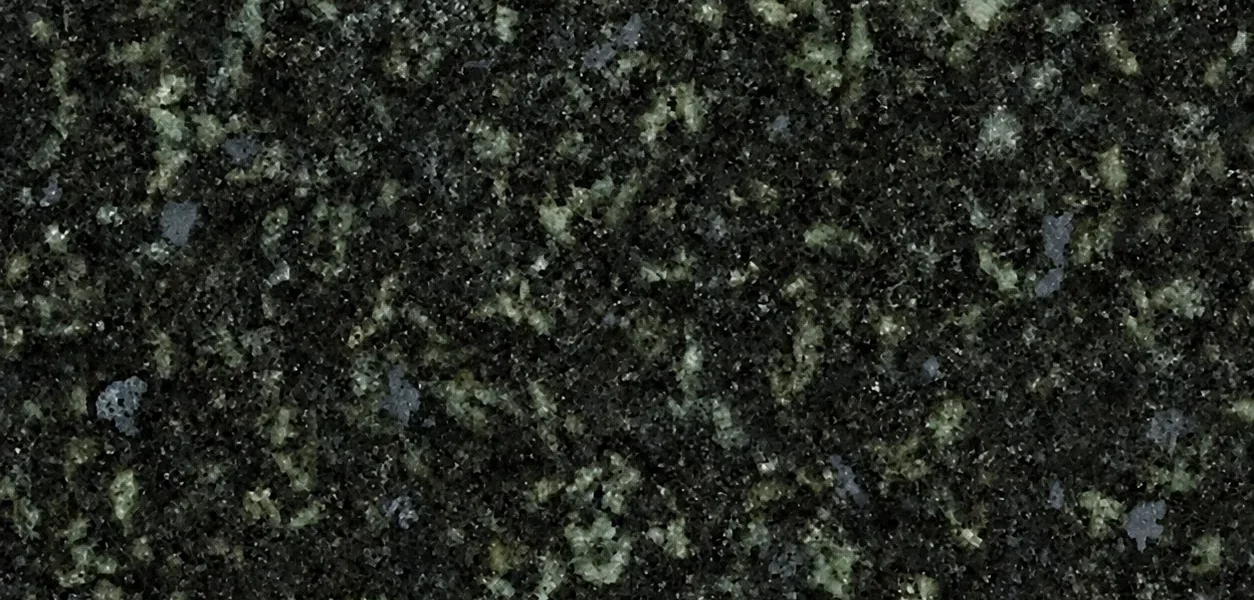
Comprehensive Guide to Natural Granite: Magmatic Genesis and 4 Surface Finishes

A master architectural guide to natural granite stone: deep plutonic genesis, quartz-feldspar interlock, 4 specialized surface textures, and acceptance standards.

Share this article:

Contact our Hotline for direct consultation & factory quotation.

Published on

When considering natural granite stone guide, compare the actual surface, intended application, and installation requirements instead of relying on the trade name alone. This guide focuses on checks that can be completed before material approval.

Natural stone varies from slab to slab and batch to batch. Water absorption, strength, thickness, and load capacity should only be quoted from documentation for the specified product, alongside the approved sample and project drawings.

1. Magmatic Geological Origin and Dense Interlocking Grain Structure

Derived from the Latin “granum” meaning grain, granite describes an interlocking phaneritic crystalline matrix discernable to the naked eye. The rock solidifies from deep subterranean magma pockets cooling slowly over geological epochs under tectonic pressures. You can also refer to our guide on “Comprehensive Guide to Khanh Hoa Suoi Lau White Granite: Mineralogy and Rust-Stain Prevention” to compare technical suitability for your installation.
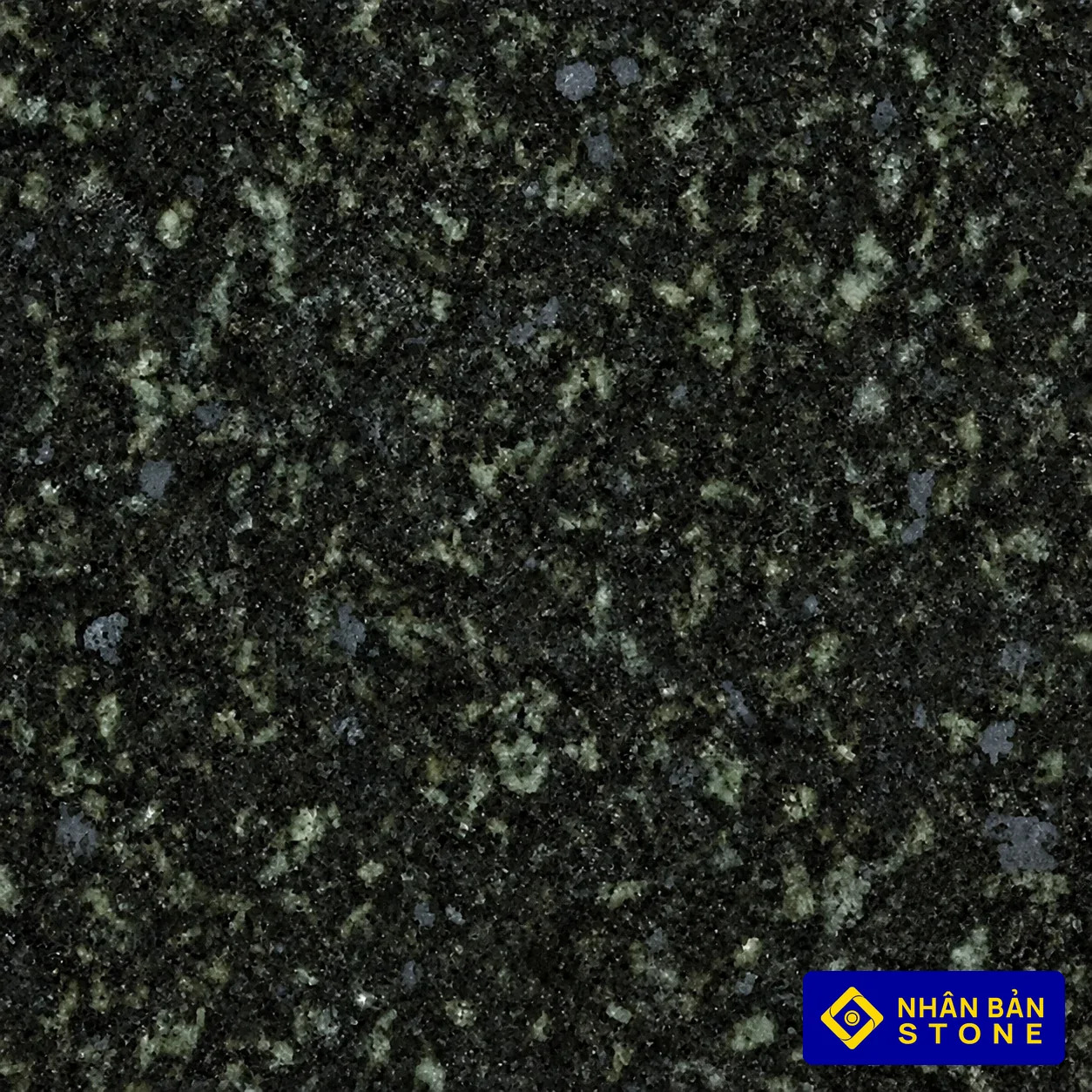
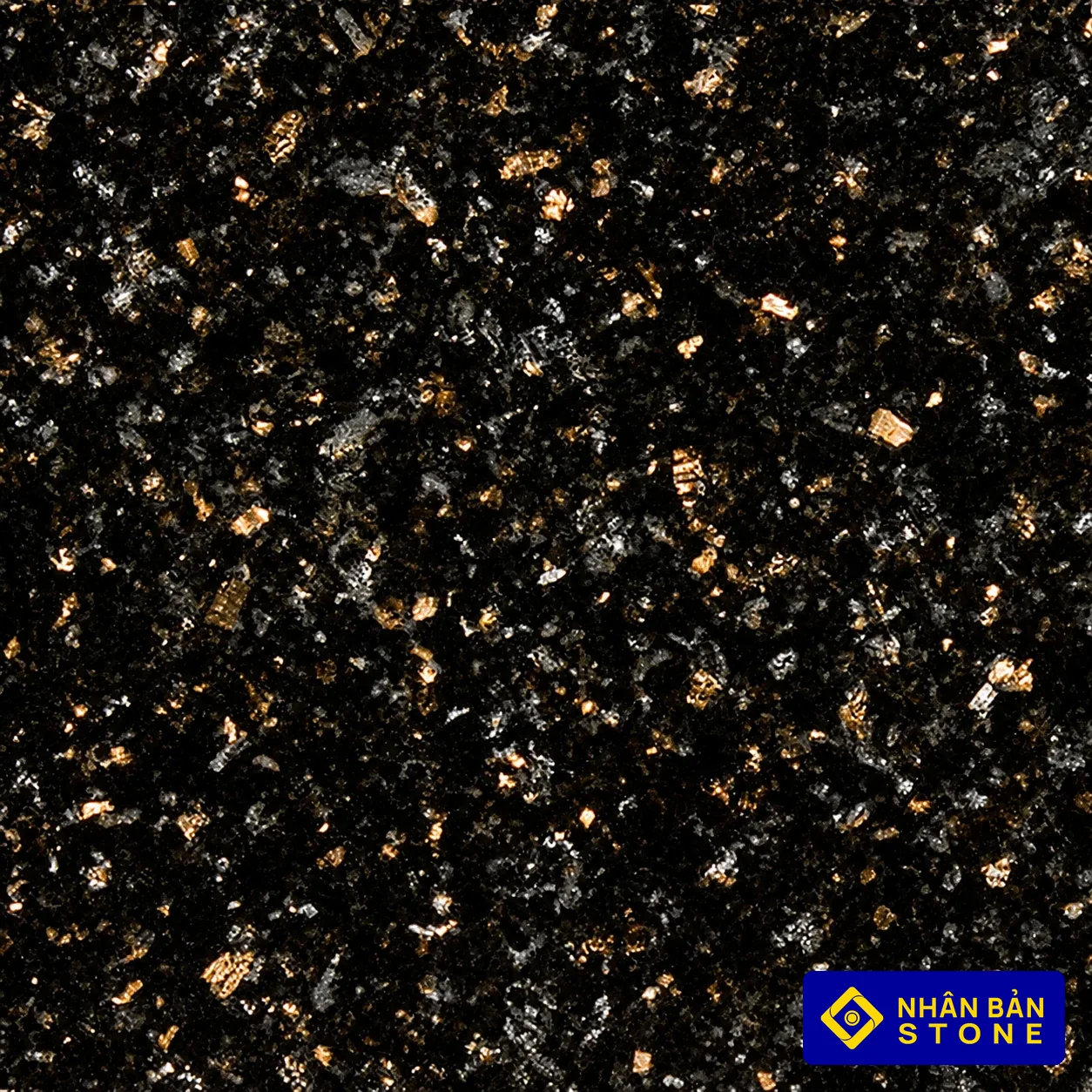
da den campuchia

2. Four Specialized Granite Surface Finishes

  • 1. Mirror Polished Finish: Diamond-honed through abrasive grits from #50 to #3000 under chilled water lubrication. Polishing brings forth the full chromatic depth of the stone with mirror-like clarity, optimal for kitchen worktops, stair treads, and exterior facades.
  • 4. Antique Leathered Finish: High-pressure diamond-wire abrasive brushes traverse an etched face, producing soft undulating undulations resembling aged saddle leather. This finish conceals fingerprints effectively and offers pleasant tactile warmth.

3. Acceptance Standards for Flatness and Joint Width

Site installation verification requires strict adherence to industry tolerances:
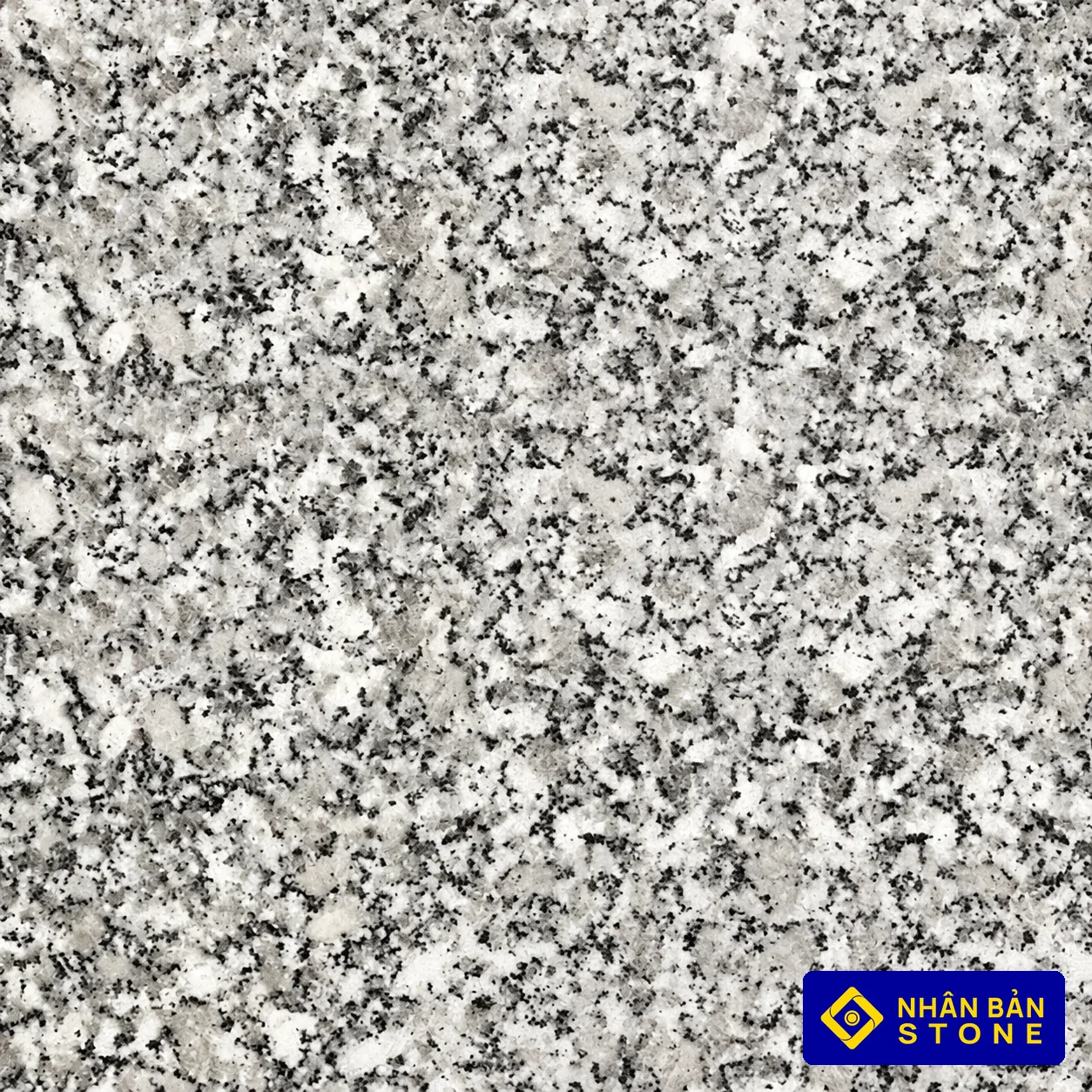
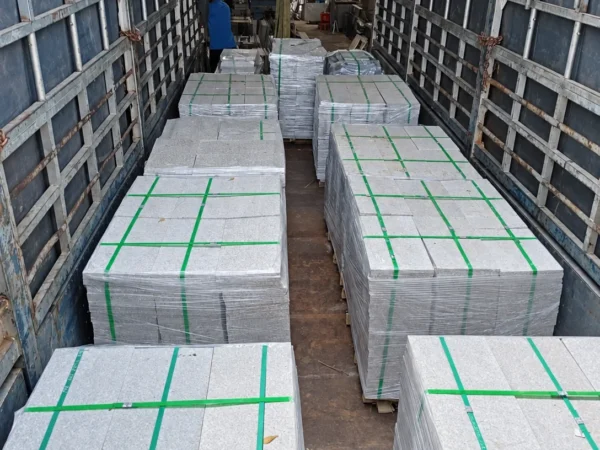
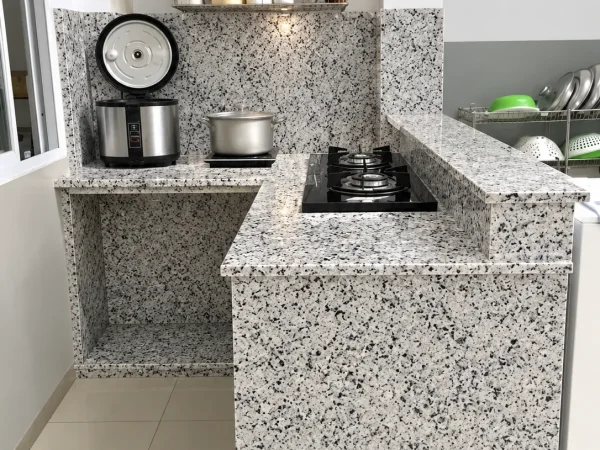
da trang suoi lau
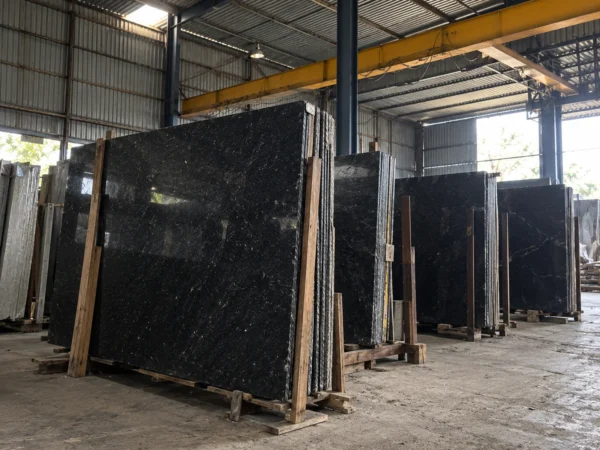
da kim sa trung 1

      Review the slab under lighting similar to the intended space, and record the vein direction, colour range, and acceptable variation between adjacent pieces. You can also refer to our guide on “Comprehensive Guide to Cambodian Black Granite: Quarry Layers and 6-Sided Sealing” to compare technical suitability for your installation.

      Approving the Material for Its Application

      A trade name identifies a material family but does not replace slab review. Inspect the actual stone under lighting close to the intended space, compare lighter and darker areas, and agree on an acceptable range of colour and vein variation.

      Polished, honed, flamed, and textured finishes differ in appearance and maintenance. Select the finish for the indoor or outdoor location, expected moisture, foot traffic, and cleaning requirements rather than assuming one finish suits every use. You can also consult our technical reference on “Granite Slabs: Patterns and Architectural Applications” for comprehensive engineering specifications.

      Before cutting, verify field dimensions, vein direction, joint locations, openings, and the supporting structure. These details affect layout and breakage risk; a trade name or promotional image cannot replace coordinated drawings.

      At delivery, check batch references, quantity, ordered thickness, edges, and surface condition. Use technical values only from the test report for the specified product or batch.

      For routine care, use a soft cloth, clean water, and a pH-neutral cleaner. Blot oils, coffee, and coloured spills early, and use trivets in heated areas. Sealing intervals should follow the stone, exposure, and product guidance rather than a universal schedule.

      Price: Contact us

      Technical Consultation & Quotation

      Mr. Hải
      Mr. Hải Consultant
      Mr. Hoà
      Mr. Hoà Consultant
      Mr. Tín
      Mr. Tín Consultant

      More from Similar Topics

      Heated discussion: You might want to know

      FABRICATION & MATERIAL SPECIFICATIONS FAQ

      Frequently Asked Questions

      Verified details on workshop CNC fabrication, shop-drawing submission, and stone material parameters at NHAN BAN STONE.

      01 What stone fabrication specifications does NHAN BAN STONE provide for serviced apartments and residential projects in HCMC?

      NHAN BAN STONE supplies raw stone slabs and provides workshop-based precision fabrication according to approved technical drawings: bridge saw cutting, undermount/overmount sink cutouts, edge profiling, and 45-degree mitered joints for kitchen countertops, vanities, stairs, and thresholds. Customers or contractors provide itemized dimension drawings, and finished components are fabricated on laser bridge saws and CNC machinery for collection at our workshop (District 12) or curbside delivery. Our scope focuses strictly on factory fabrication; we do not provide on-site measurement, installation, or construction services.

      02 Which stone surface is recommended for rental property countertops balancing long-term durability and budget?

      For serviced apartments and rental units with frequent cooking, dense Natural Granite varieties (such as Indian Black, Black Galaxy, or Suoi Lau White) are commonly preferred for their surface hardness, thermal resistance against hot cookware, and stain resistance against household liquids. Natural stone exhibits inherent variation in veining and tonal shade across quarries; NHAN BAN STONE recommends inspecting current batch slab samples prior to finalizing fabrication orders.

      03 What specifications should customers prepare to receive an itemized fabrication quotation?

      To receive a precise estimate, please prepare: (1) Detailed dimension drawings or cutting schedules (length, width, thickness); (2) Required edge profiles (beveled, bullnose, mitered) and cutout locations; (3) Specified stone code or preferred aesthetic tone; (4) Total quantity and requested completion timeframe at the workshop.

      04 How are fabricated stone pieces treated and inspected prior to dispatch?

      Following precision cutting on infrared bridge saws and CNC machines, components are verified against drawing dimensional tolerances. Prior to dispatch, cut edges and faces receive surface sealing using dedicated penetrating sealers for natural stone. Sealer longevity depends on specific mineral characteristics and post-handover care (prolonged contact with harsh acidic cleaners should be avoided).

      05 Where is the warehouse located and how can customers inspect physical slabs?

      Slabs and sample batches can be inspected directly at the NHAN BAN STONE Warehouse & Workshop: 1765 National Highway 1A, Tan Thoi Hiep Ward, District 12, Ho Chi Minh City (Hours: Monday – Saturday, 07:00 – 17:00). Alternatively, technical drawings can be sent via WhatsApp/Zalo (+84 909 929 904) for material suitability advice.