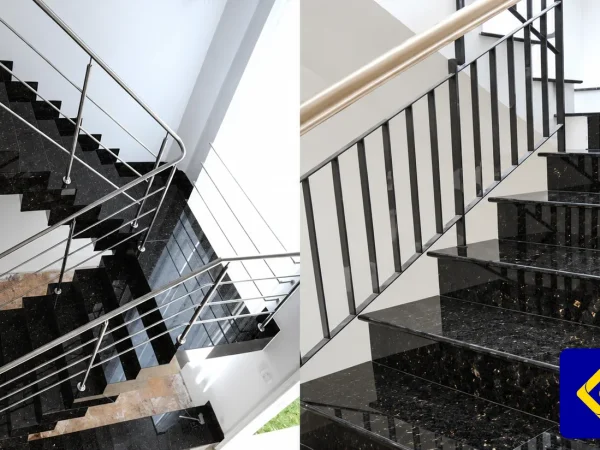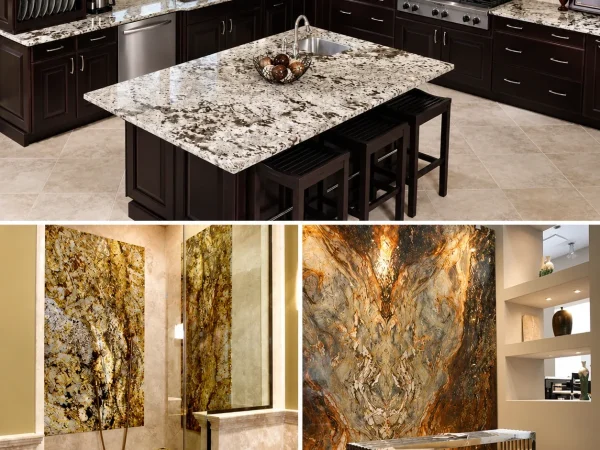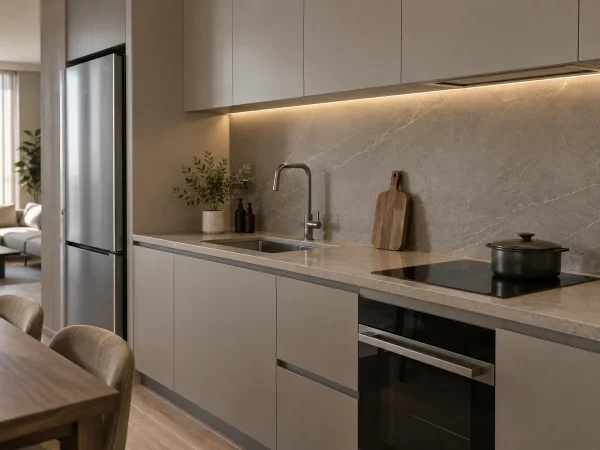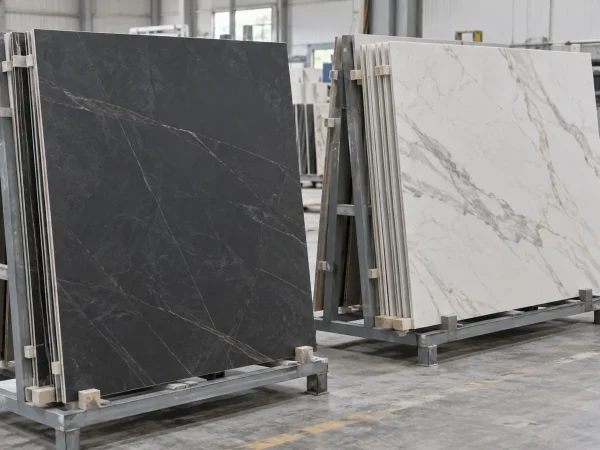


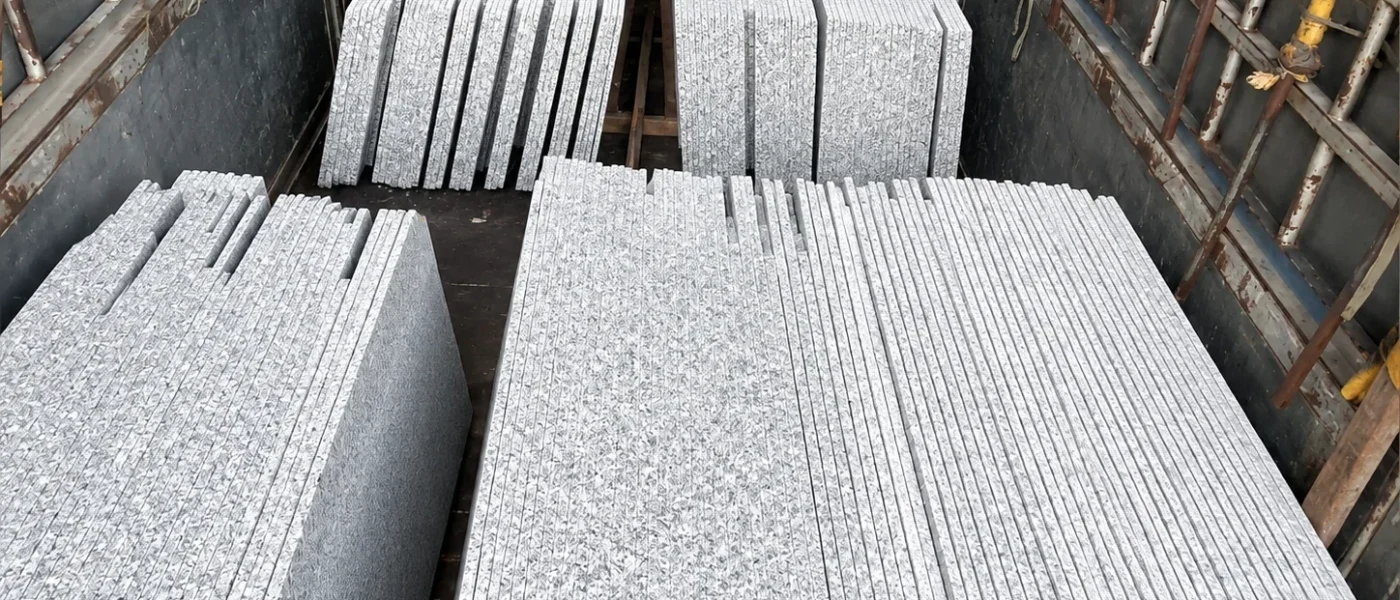
Suoi Lau white granite is among the most familiar domestic natural stones in Vietnam’s construction sector. Quarried in large volumes from central Vietnam, this material is widely specified across private residences, commercial lobbies, urban sidewalks, and municipal pedestrian walkways thanks to its accessible cost and proven durability.
This technical guide outlines the physical performance, pattern grades, and flooring applications of Suoi Lau white granite to support informed material selection.
1. Suoi Lau White Granite in Flooring Applications
When selecting floor finishes for high-traffic zones, mechanical strength and abrasion resistance are primary criteria. Unlike ceramic tiles whose glazes wear down or chip over continuous foot traffic, natural granite delivers enduring structural integrity. You can also refer to our guide on “Natural Granite Patterns: How to Choose for Each Application” to compare technical suitability for your installation.
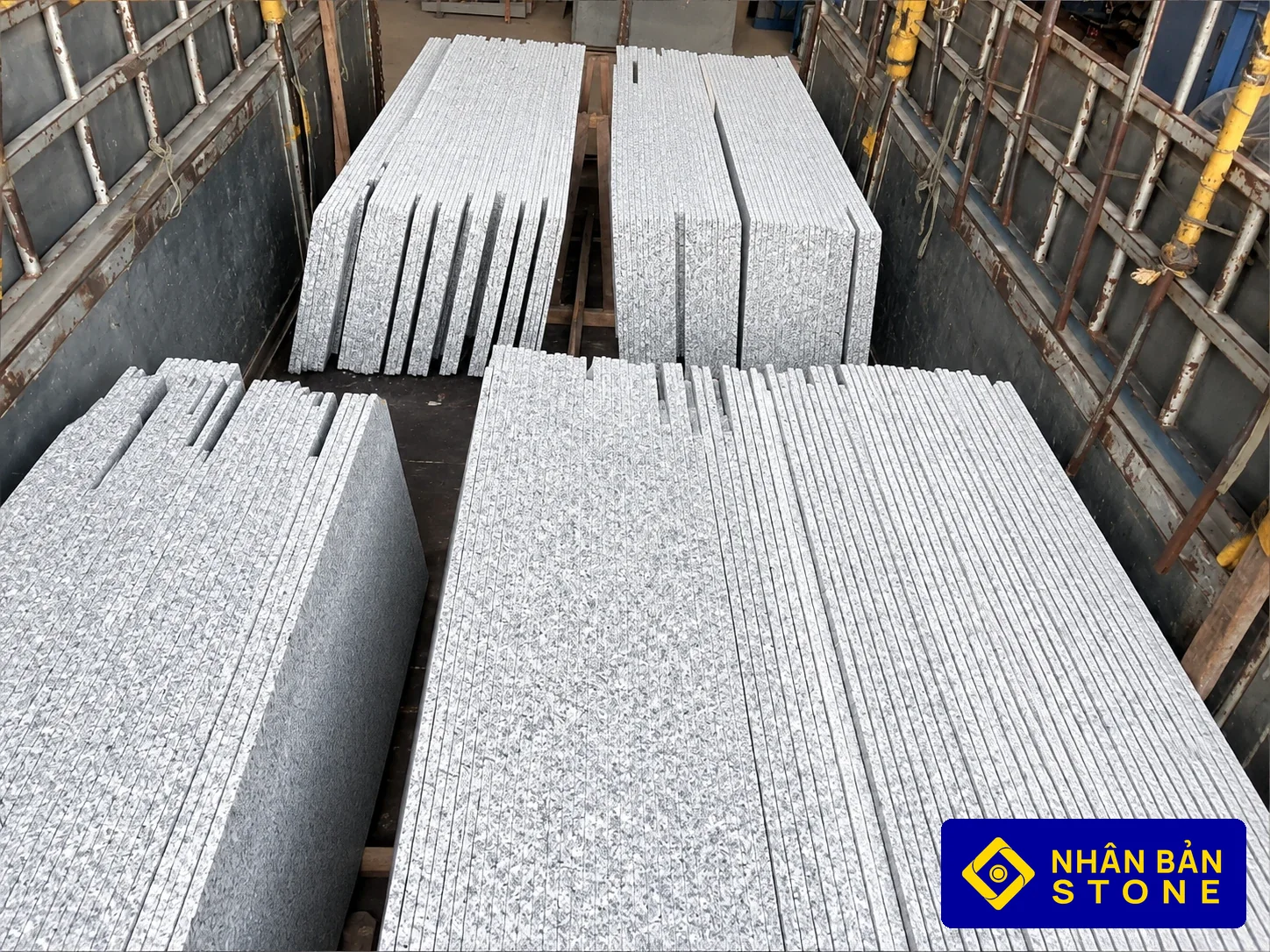
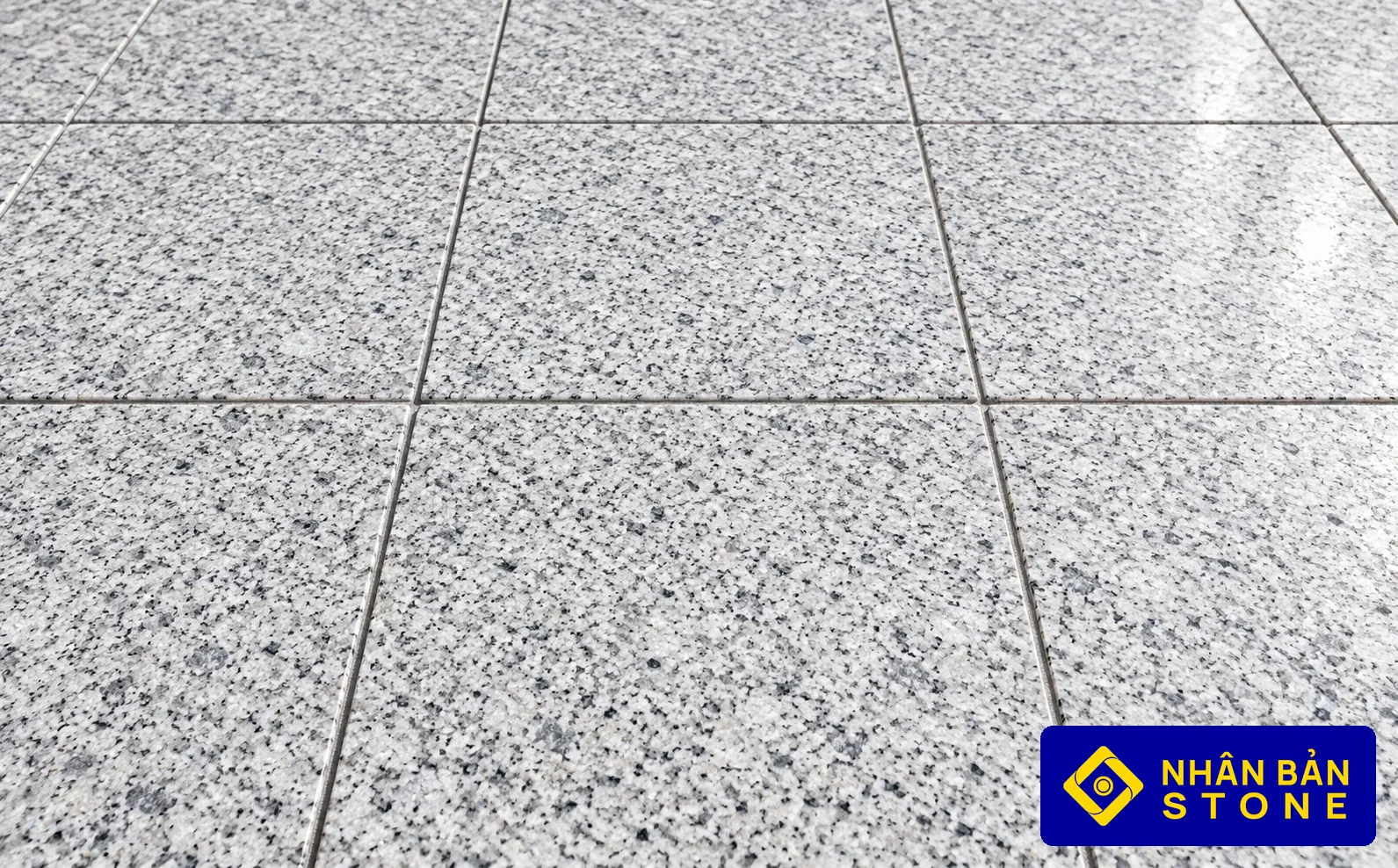
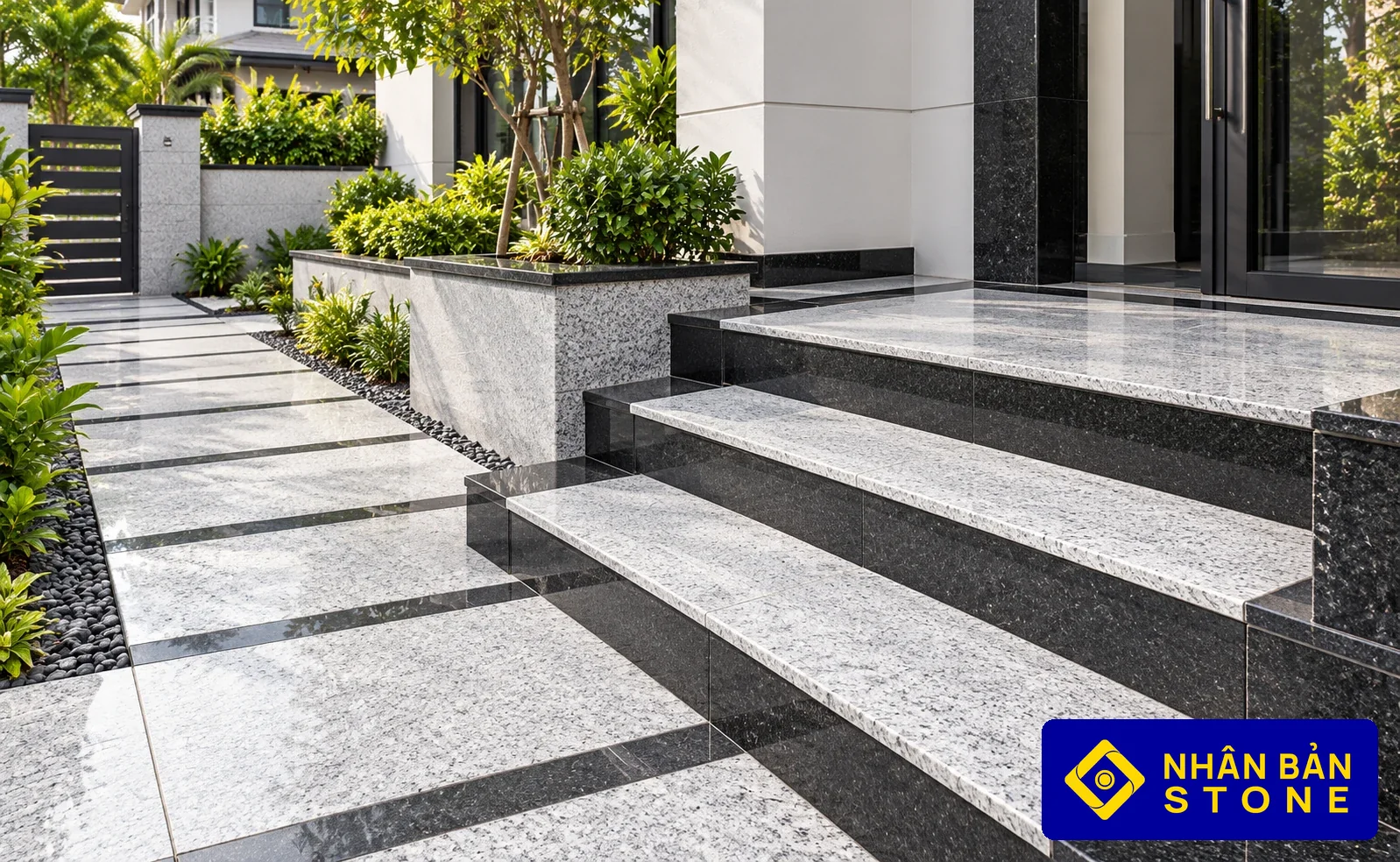
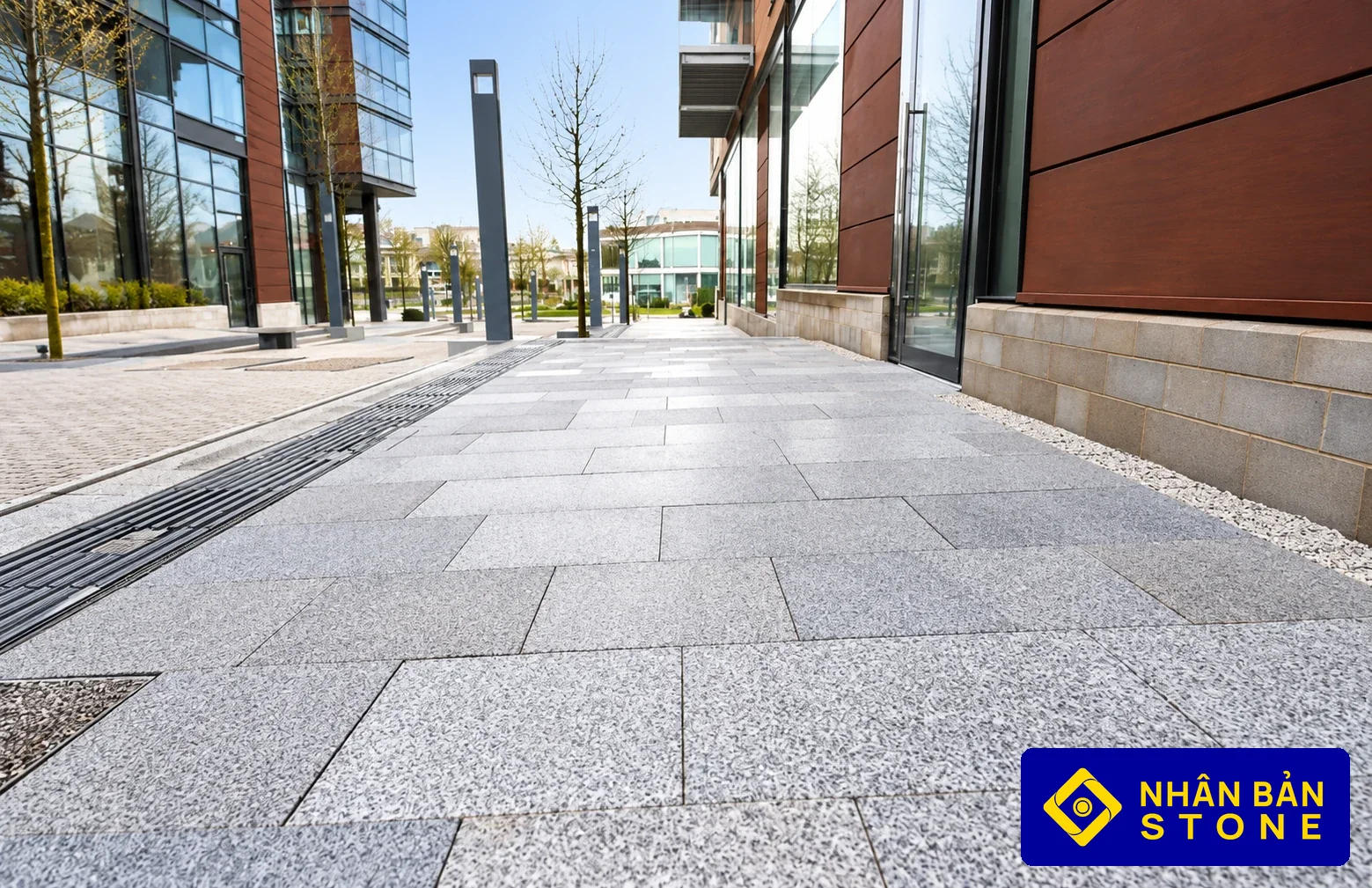
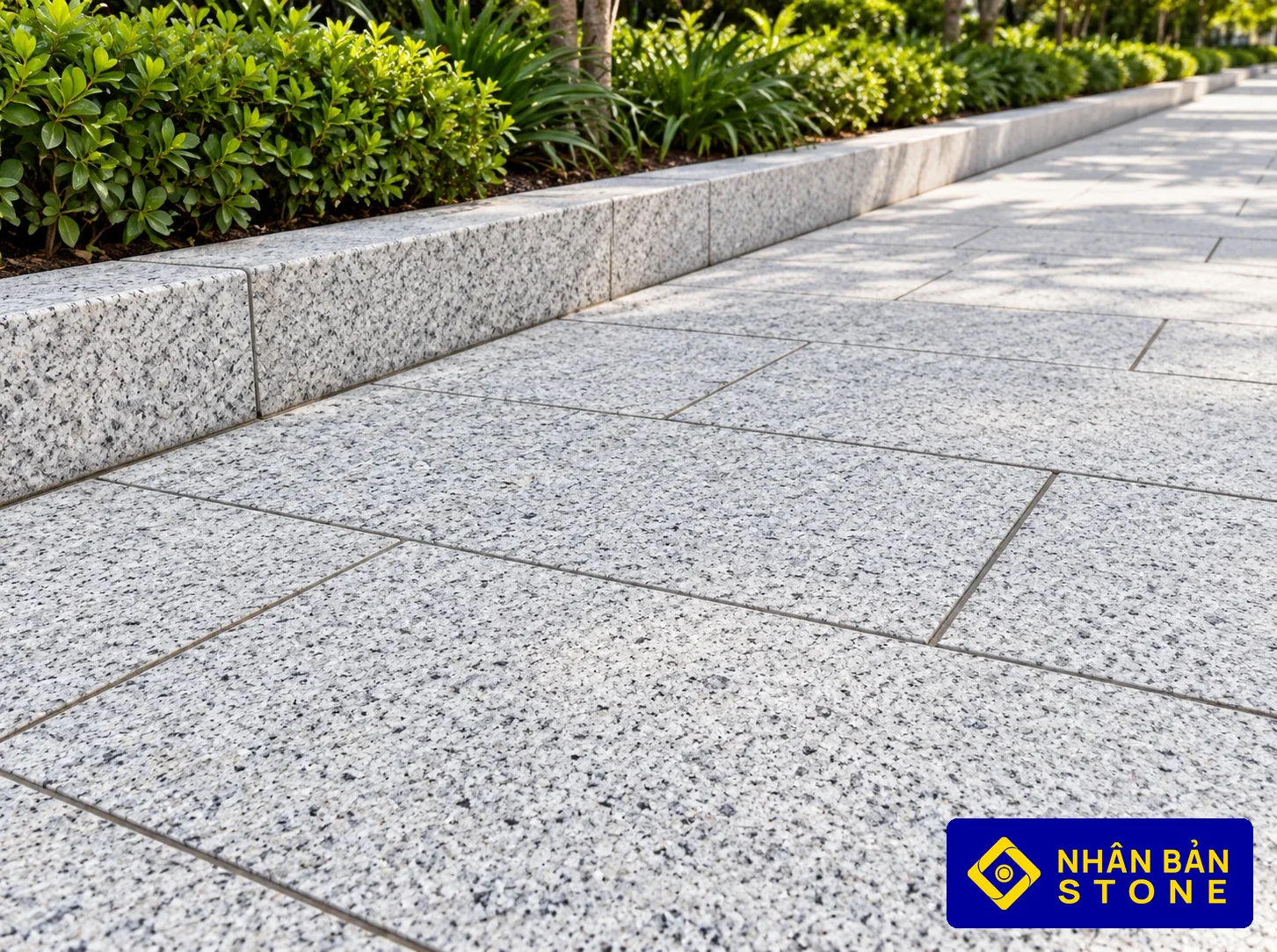
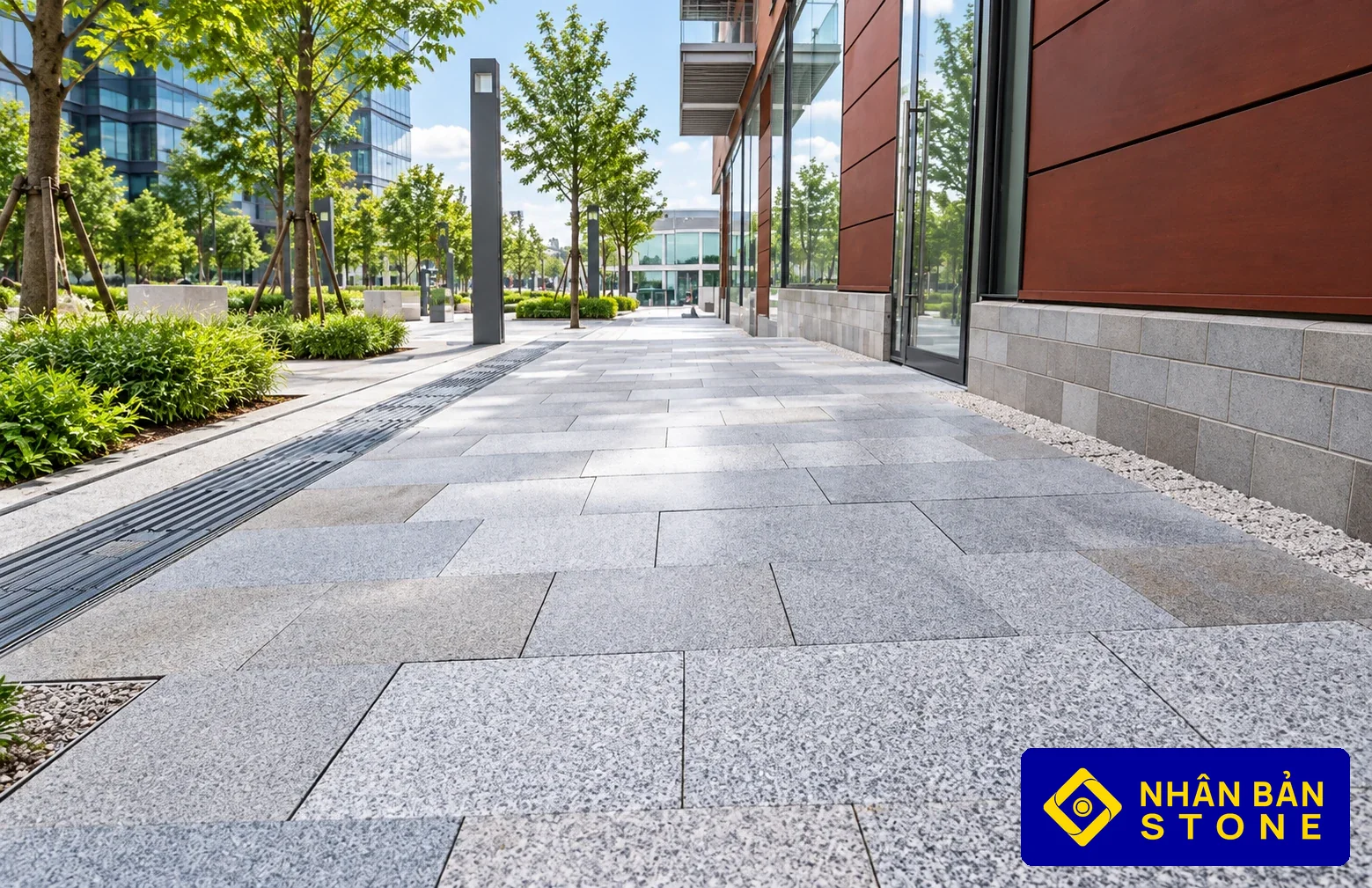
The tight mineral matrix of Suoi Lau granite resists heavy static and rolling loads. When installed with proper subfloor preparation and bedding mortar, a natural granite floor can serve a building for decades without structural replacement, reducing lifecycle maintenance costs significantly.
2. Common Pattern Variations
In commercial supply, Suoi Lau white granite is generally separated into two visual selections based on mineral distribution: You can also refer to our guide on “Should You Use Granite? Performance and Cost Factors” to compare technical suitability for your installation.
- Green-Flake Selection (Bong Xanh): A lighter ground tone with evenly dispersed grey-green minerals. This variety presents a fresh, balanced aesthetic preferred for residential living rooms, interior stairs, and kitchen surfaces.
- Standard Selection (Bong Den): A slightly darker grey-white ground with higher concentrations of dark speckles. This grade is sawn in large volumes for municipal pavements, educational facilities, and industrial campuses where economy and consistency take priority.
3. Surface Finishes for Interior and Exterior Paving
Depending on exposure to moisture and vehicular or foot traffic, several surface treatments are commonly specified:
- Polished Finish: A smooth, reflective face that highlights mineral clarity, ideal for indoor living areas and commercial reception halls.
- Honed Finish: A smooth, satin surface without mirror reflection, offering reduced glare and moderate slip resistance for interior circulation corridors.
- Flamed Finish: Thermal treatment induces surface spalling, creating a rough, non-slip texture mandatory for exterior walkways, ramps, and garden paths exposed to rainfall.
4. Key Strengths and Technical Considerations
- Core Advantages: Exceptional cost-efficiency compared to imported granites; high compressive resistance; robust supply capacity suitable for container-scale deliveries.
- Technical Considerations: As with all natural granites, capillary porosity exists. Slabs must be treated with penetrating sealers on all faces and edges prior to mortar setting to prevent alkaline moisture migration. Routine cleaning requires neutral detergents rather than aggressive acidic compounds.
5. Standard Sizing and Colour Coordination
Confirm Suoi Lau White dimensions from the approved drawings, required loads, and the actual slabs. For contrast, light and dark stones can be reviewed side by side before approval. You can also consult our technical reference on “Natural Stone Surface Finishes: Technical Guide” for comprehensive engineering specifications.
Quotation depends on project dimensions, custom edge profiling, surface finish, and site delivery requirements. For accurate project estimates, please share your architectural drawings with NHAN BAN STONE.
Price: Contact us